
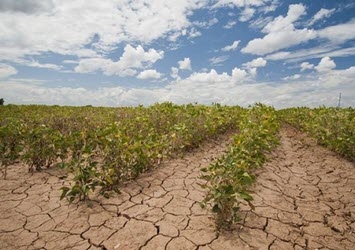
The dryness in Brazil’s soybean production areas is worth watching because there is a history to the situation. There are not the La Niña conditions for a larger adverse impact, but Brazilian soybean yields have historically been lowered when spring rains fail to provide enough moisture. In 2011, La Niña struck South America and the drought in Brazil was said to be worse than the 2008/2009 event. Between mid-December 2011 and early January 2012, the Department of Rural Economy (DERAL) raised the amount of soybeans rated in medium/bad condition from 18 percent to 32 percent, while lowering crops rated in good condition from 82 percent to 68. Yields that growing season fell 15 percent from a year earlier to just 2.6...



From WPI Consulting
Infrastructure investment due diligence
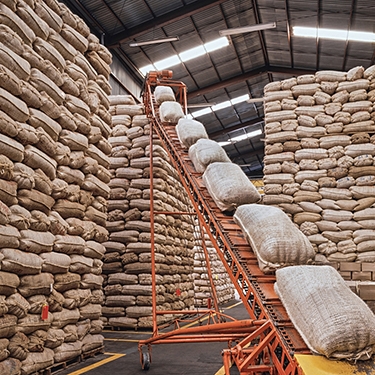
On behalf of a Canadian oilseed processer WPI's team provided market analysis, econometric modeling and financial due diligence in support of a $24 million-dollar investment in a Ukrainian crush plant. Consistent with WPI's findings, local production to supply the plant and the facility's output have expanded exponentially since the investment. WPI has conducted parallel work on behalf of U.S., South American and European clients, both private and public, in the agri-food space.