


If global soybean demand continues to rise over the next decade at the same pace as it has since 2000/01, the world will need an additional 70-80 MMT of soybean production to meet global demand in 2023/24.The last five years have been pretty phenomenal for the global soybean sector. If USDA's forecasts are correct, the world will consume 270.867 MMT in 2013/14. That would be 49.657 MMT (22.4 percent) more soybeans than the 221.21 MMT consumed in 2008/09. China is forecasted to account for 28.0065 MMT or 56.5 percent of that consumption growth with practically all of the growth in global soybean imports. That country is also forecasted to account for 64.4 percent of global growth in soymeal consumption and 50.6 percent in soyoil consumption...



 What You Need to Know Today: The corn and soybean markets closed slightly higher in low-volume trade. The wheat market was mixed, with HRW continuing its downward trek on improved moisture. As expected, the bearish cattle on feed report drove down cattle prices and pulled hogs down with it. Mi...

 Monday, 25 May is a U.S. holiday, and both the markets and our office will be closed. Please note that the next issue of Ag Perspectives will be published on Tuesday, 26 May. The WPI staff wishes everyone a safe and enjoyable holiday weekend...
 USDA’s monthly cattle on feed report was released today. The total number of cattle on feed in feedlots with 1,000 head or more capacity amounted to 11.6 million head, 102 percent of last year. Source: USDA, WPI Placements were up, but part of that is attributable to persistent drought c...

From WPI Consulting
Infrastructure investment due diligence
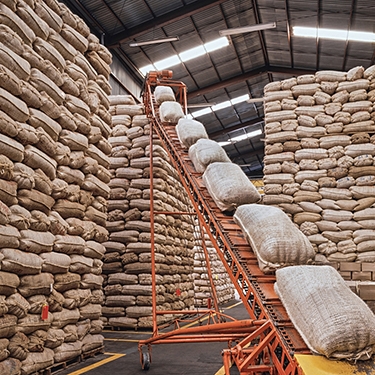
On behalf of a Canadian oilseed processer WPI's team provided market analysis, econometric modeling and financial due diligence in support of a $24 million-dollar investment in a Ukrainian crush plant. Consistent with WPI's findings, local production to supply the plant and the facility's output have expanded exponentially since the investment. WPI has conducted parallel work on behalf of U.S., South American and European clients, both private and public, in the agri-food space.