Key Takeaways:
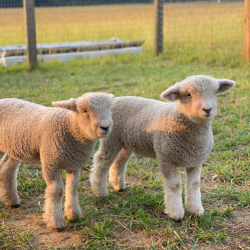
The U.S. sheep industry is contracting. Lamb output and producer participation have declined sharply. Imports now account for most U.S. lamb consumption. Their roughly 70 percent share raises concerns about domestic capacity and resilience. USTR’s referral carries substantial trade-policy significance. It could become the sector’s most consequential federal trade action in decades. Industry advocacy helped advance the case. Protect American Lamb, ASI, and congressional outreach appear to have strengthened momentum. Section 201/202 is suited to broad import pressure. It can address multi-country import surges without requiring proof of unfair trade. The ITC will determine whether relief is warranted. A serious-inj...



 What You Need to Know Today: Headlines emerging from negotiations between President Trump and President Xi were relatively limited, with a more substantive announcement expected Monday. U.S. Trade Representative Jamieson Greer indicated that additional details related to agricultural trade cou...
 The heat of summer is now transitioning into more moderate temperatures, and the next two months have the busiest marketing periods of the year for replacement cattle. Weather always influences the replacement cattle market, and the primary grain belt in the Southern Plains, where many cattle a...


 Key Takeaways: Diesel accounts for about 64 percent of U.S. farm fuel spending. For farmers, the pressing question is what a higher price adds to each field operation. Iowa farm diesel averaged $5.50/gallon in September, compared with the $2.89/gallon Iowa State assumed for its February machin...