


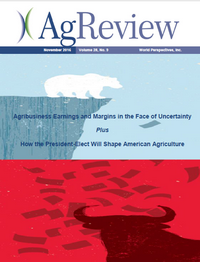
WPI Bull/Bear Leanings for Agribusiness A summary and graphical depictions of WPI’s expectations for future agribusiness performance. The Grain Industry Low prices are leading farmers to pursue cost-cutting decisions. In turn, this will pressure margins at all levels of the farm economy, especially seed and other farm input suppliers. Oilseed Processing Positive domestic and global factors should all overcome the record U.S. soybean crop and bode well for U.S. soybean farmers, exporters, processors and animal producers. The U.S. Biofuels Industry By 30 November, the EPA will release the final Required Volume Obligations (RVOs) rule for biofuel use under the Renewable Fuel Standard (RFS), and the question that remains is whether...


 What You Need to Know Today: Harvest pressure in the U.S. sent corn and soybeans lower as supplies increased and there were signs USDA’s upward revisions to yields in the October WASDE could be close to right. The conflict between Russia and Ukraine escalated over the weekend, with Ukrai...

 Key Takeaways: India is excluding sugarcane juice, sugar syrup, and B-heavy molasses from its 2026/27 fuel ethanol procurement program to protect domestic sugar supplies, potentially shifting additional demand toward corn and rice. India’s corn consumption for ethanol has surged from jus...
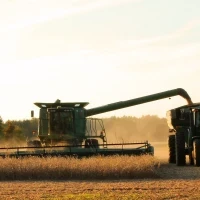 Developer's Note 24 August 2026: WPI recently completed an exercise that updated the codebase for this app and solved some of the discrepancies between our five-year average calculation and USDA's. There are a few lingering cases where early (late) starts (finishes) to the crop cycle resu...

From WPI Consulting
Infrastructure investment due diligence
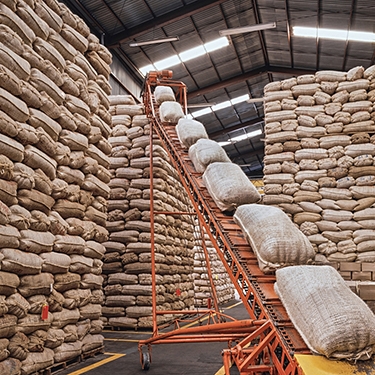
On behalf of a Canadian oilseed processer WPI's team provided market analysis, econometric modeling and financial due diligence in support of a $24 million-dollar investment in a Ukrainian crush plant. Consistent with WPI's findings, local production to supply the plant and the facility's output have expanded exponentially since the investment. WPI has conducted parallel work on behalf of U.S., South American and European clients, both private and public, in the agri-food space.