



Commodities and Elections Financial and commodity indicators correlate with elections, but there is a more important conclusion. Soy Prices Fail to Ration Demand Soybean production declined in the U.S., Argentina, Brazil and Paraguay in 2012 because of drought, and as a result U.S. soybean and soymeal prices have reached record levels this year. However, USDA is forecasting global soybean consumption will rise in 2012/13. The Farm Bill and the Election Will the farm bill -- or lack thereof -- be a factor in the 2012 election? Don’t bet on it. The U.S. Ethanol Market’s Unstable Future The Renewable Fuel Standard was the U.S. government’s attempt to influence the free market. By building a faulty business structure,...


 What You Need to Know Today: Harvest pressure in the U.S. sent corn and soybeans lower as supplies increased and there were signs USDA’s upward revisions to yields in the October WASDE could be close to right. The conflict between Russia and Ukraine escalated over the weekend, with Ukrai...

 Key Takeaways: India is excluding sugarcane juice, sugar syrup, and B-heavy molasses from its 2026/27 fuel ethanol procurement program to protect domestic sugar supplies, potentially shifting additional demand toward corn and rice. India’s corn consumption for ethanol has surged from jus...
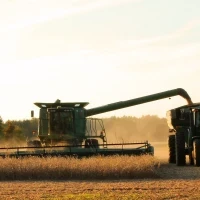 Developer's Note 24 August 2026: WPI recently completed an exercise that updated the codebase for this app and solved some of the discrepancies between our five-year average calculation and USDA's. There are a few lingering cases where early (late) starts (finishes) to the crop cycle resu...

From WPI Consulting
Forecasting developments in production agriculture
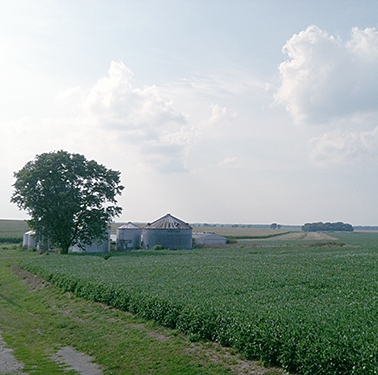
On behalf of a private U.S. agricultural technology provider, WPI’s team generated an econometric model to forecast the movement of concentrated corn production north and west from the traditional U.S. Corn Belt. WPI’s model has subsequently provided quantitative support to a multi-million-dollar investment into short-season corn variety development. WPI’s methodology included a series of interviews with regional grain elevators and seed consultants. Emphasizing outreach and communication with stakeholders who possess intimate sectoral knowledge – on-the-ground insights – is a regular component of WPI’s methodologies, made possible by WPI’s ever-growing network of industry contacts.