Key Takeaways:
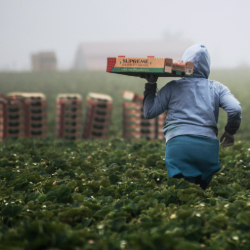
Persistent labor shortages are increasing operational challenges and costs across U.S. agriculture, particularly in labor-intensive sectors such as specialty crops, dairy, and meat processing. Immigrant workers, including H-2A employees, remain essential to the agricultural workforce, while immigration policy and enforcement continue to influence labor availability. Labor constraints are accelerating investment in automation, though many specialty crop operations still depend heavily on manual labor due to quality and harvesting challenges. Expanding the agricultural workforce will likely require a combination of immigration reform, streamlined guest worker programs, improved incentives for domestic workers, and continued te...



 What You Need to Know Today: U.S. and Chinese officials are expected to discuss agriculture and non-tariff trade barriers ahead of Chinese President Xi Jinping’s visit to Washington later this month, potentially opening the door to additional U.S. agricultural purchases or improved marke...
 The U.S. will observe Labor Day on Monday, 7 September. U.S. markets and the WPI office will be closed that day. The next edition of Ag Perspectives will be published Tuesday, 8 September...

 Key Takeaways: Drought and changes to the multi-year trend in cow slaughter and retention have the potential to dramatically alter beef trim supplies and pricing, and WPI specifically models three different drought scenarios for fall 2026. Based on our models, WPI expects 90 percent lean...