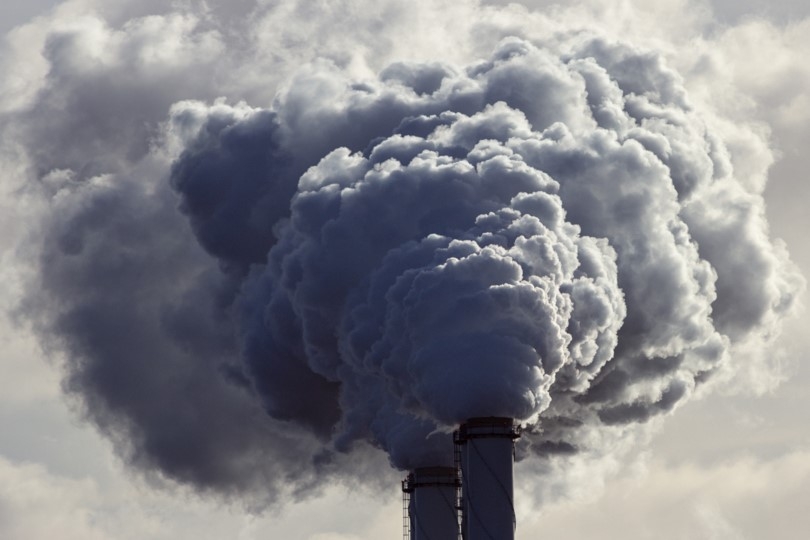
It is well known that agriculture is concurrently a contributor to global greenhouse gas emissions, and a potential sink for carbon and contributor to reduced emissions. Mitigation practices run the gamut from soil management to pasture and animal systems, land-use changes and energy use and manufacture. The challenge has been the complexity of: 1) transparency (privacy), 2) repeatability, and 3) verification. The various reduction methods must be gelled into a system with measurement and reporting that is workable on the farm. There are about 35 structural models for an agricultural carbon market, but only about 10 have generated any actual offsets. U.S. Representative Ro Khanna (D-California) and U.S. Senator Cory Booker (D-New Jer...



 What You Need to Know Today: There has already been a strong run of flash soybean sales announcements in recent weeks, but more than 1.4 MMT reported this morning is an exceptionally large single-day total with major implications for the market. If the sales to China and unknown destinations w...
 On Friday, at 6:57 AM, President Donald Trump announced, via a social media post, a 90-day window during which up to 300,000 metric tons of product for ground beef could be imported outside of tariff-rate quotas—a move aimed at bringing down costs for American consumers. This is the secon...

From WPI Consulting
Communicating importance of value-added products

Facing increasing pressure to quantify the value of export promotion efforts to investors, a U.S. industry organization retained WPI to develop a quantitative model that better communicated the importance of exports. The resulting model concluded that value-added meat exports contributed $0.45 cents per bushel to the price of corn, increasing support for that sector’s financial support of WPI’s client. In addition to serving the red meat industry with this type of analysis, WPI has generated similar deliverables for the U.S. soybean and poultry/egg industries.