


You cannot escape the vortex of opinions about water scarcity in the Western United States, especially in the drought-stricken Colorado River Basin. Agriculture is the villain in many of these editorials. Agriculture uses too much water, so it should use less, is the refrain. We all wish it was that simple. But, yes, the editorials have a basis. Irrigated agriculture accounts for more than 50 percent of all Colorado River Basin water consumption, and roughly 60 percent of that use is to produce alfalfa and grass hay for dairy cows and cattle. These farmers have “senior rights” to use the water for agricultural purposes. This is also called, in the vernacular of our legal system, “prior appropriation” and was develope...


 WPI Grain Prices and Freight Rate App Note: you can also visit the app directly by clicking here. Supplemental Information The section below offers a concise view of the options available in the current version of the WPI FOB Price and Freight Rate app, along with a short “How To”...


 What You Need to Know Today: Corn and soybeans were under heavy selling pressure as weaker (or at least as-expected) export demand runs into an accelerating harvest pace with more grain available in the spot market. Corn and soybean harvest progress remains below average across the U.S., espec...
 Key Takeaways: Brazil confirmed a Newcastle disease outbreak at a commercial turkey farm in Santa Catarina on 18 October, raising concerns about potential disruptions to poultry exports despite the outbreak being confined to a single facility thus far. Mexico and Malaysia have imposed nationwi...

From WPI Consulting
Illuminating the value of technical research
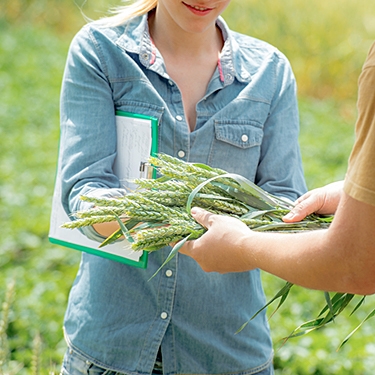
On behalf of a commodity producer organization, WPI evaluated the outputs from a project that featured a $5 million investment into technical research over multiple years. WPI’s team captured the results of this extensive effort and synthesized them for presentation to the organization’s governing board; among the findings uncovered and presented for the first time was the development of genomic traits proven, via rigorous testing, to provide crop yield advantages of 50 percent or more to U.S. farmers in times of drought. Capturing measurable results from long-term efforts can be challenging. Educating clients on the dynamics of success measurement when quantifiable results are not readily available requires deep client-consultant collaboration and an ability to consider both near- and long-term client aspirations with market/policy dynamics – attributes that WPI brings to every consulting engagement.