
Beyond Meat, the maker of a vegetable protein meat alternative product, is preparing for an IPO. It will be offering 8.75 million shares at $19-21, which would raise $175 million at the mid-point price. The company’s cornerstone product is the Beyond Burger, which is now available at a number of fast food outlets and grocery retailers. According its S-1 filing with the SEC, Beyond Meat products are available at “approximately 30,000 points of distribution primarily in the United States.” The product has been launched in Canada and several other countries. The primary ingredient is pea protein; other vegetable-based alternative meat products are moving toward soy. According to AMS, this week dry yellow peas (unprocessed) w...



 What You Need to Know Today: A third U.S. border crossing (Columbus, New Mexico) has reopened to Mexican cattle imports following nearly two years of restrictions related to New World screwworm. The reopening could gradually improve feeder cattle availability, although more than 60 confi...
 Yesterday, the USDA’s Agricultural Marketing Service (AMS) released a new report of negotiated cash purchases of cattle under the mandatory price report. The report included Colorado, New Mexico, Oklahoma, Texas, and Kansas. The goal of the report was to solve the confidentiality issues e...

 Key Takeaways: U.S. soybean crushing began in 1911 and saw its most rapid expansion during the 1930s amid the broader agricultural and technology revolutions of the time. After peaking in the early 2000s, the soybean crushing industry went through a downturn as poor crush margins forced...

From WPI Consulting
Forecasting developments in production agriculture
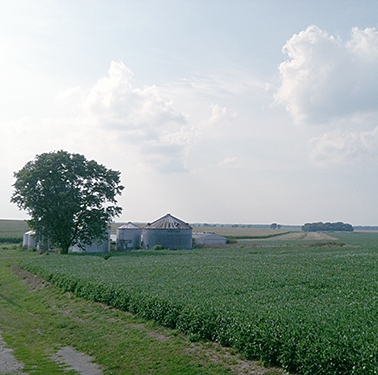
On behalf of a private U.S. agricultural technology provider, WPI’s team generated an econometric model to forecast the movement of concentrated corn production north and west from the traditional U.S. Corn Belt. WPI’s model has subsequently provided quantitative support to a multi-million-dollar investment into short-season corn variety development. WPI’s methodology included a series of interviews with regional grain elevators and seed consultants. Emphasizing outreach and communication with stakeholders who possess intimate sectoral knowledge – on-the-ground insights – is a regular component of WPI’s methodologies, made possible by WPI’s ever-growing network of industry contacts.