
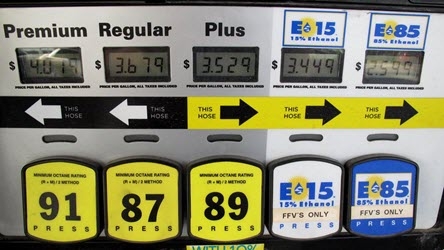
On Friday 2 December, WPI broke down the proposed 2023 - 2025 required volume obligations (RVOs) under the Renewable Fuel Standard. The rule was 692 pages long, and away from the top line summary, there are a few other bits of information worth taking a second look at and putting into context with some potential policy changes for E15. First, with regard to ethanol volumes and corn utilization; as noted previously, the RVO for conventional biofuel was set at 15.25 billion gallons in 2024 and 2025. However, EPA’s estimates for those year are that only 14.5 billion gallons of corn ethanol will be used, per the following table. Thus, the full volume is assumed to be met by non-cellulosic advanced biofuel. Per the trading hierarch...



From WPI Consulting
Communicating importance of value-added products

Facing increasing pressure to quantify the value of export promotion efforts to investors, a U.S. industry organization retained WPI to develop a quantitative model that better communicated the importance of exports. The resulting model concluded that value-added meat exports contributed $0.45 cents per bushel to the price of corn, increasing support for that sector’s financial support of WPI’s client. In addition to serving the red meat industry with this type of analysis, WPI has generated similar deliverables for the U.S. soybean and poultry/egg industries.