

El Nino continues to disrupt crop production around the world, and it is not done with Argentina. The country suffered a record crop falloff last season due to the weather phenomenon and now a similar pattern of dryness is impacting two-thirds of the wheat area. The result is a declining wheat yield forecast. Argentina’s wheat yield has been trending downward for many years. The area harvested and total production have slowly been trending upward, but not yield. This is important because yield reflects productivity gain whereas the area harvested simply reflects inputs. It is unclear whether the nation’s recent adoption of GMO wheat will impact the trend, but the trend may have impacted the policy change. Meanwhile, wheat area...



 What You Need to Know Today: Markets got a surprise with a corn yield of 181.2 bushels/acre in the October WASDE, above the average estimate of 177.6 bushels/acre and up from USDA’s September estimate of 178.5 bushels/acre. Although stronger demand is expected to absorb some of the addit...

From WPI Consulting
Forecasting developments in production agriculture
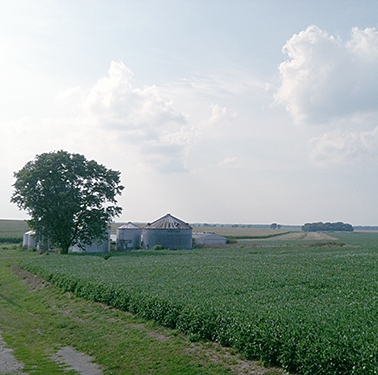
On behalf of a private U.S. agricultural technology provider, WPI’s team generated an econometric model to forecast the movement of concentrated corn production north and west from the traditional U.S. Corn Belt. WPI’s model has subsequently provided quantitative support to a multi-million-dollar investment into short-season corn variety development. WPI’s methodology included a series of interviews with regional grain elevators and seed consultants. Emphasizing outreach and communication with stakeholders who possess intimate sectoral knowledge – on-the-ground insights – is a regular component of WPI’s methodologies, made possible by WPI’s ever-growing network of industry contacts.