


It’s often said that history doesn’t repeat itself, but it often rhymes. If only humanity could stop repeating the worst parts of our historic verse. Politicians, again at the center of this week’s follies, have found a way to make old mistakes sound new: announce them at a press conference. This week’s stories come from both sides of the Atlantic, and each promises relief from real problems. Each also assumes supply will politely ignore what politicians tell it to do. First, in the U.S., is Republican lawmakers’ suggestion to ban diesel and possibly broader oil and fossil fuel exports. The plan has more holes than the Detroit Lions’ defense and fails to acknowledge the realities of fuel production and di...


 What You Need to Know Today: Corn and soybean futures were lower to open the week, with funds still in control and in a selling mood. The upcoming WASDE report on Tuesday is also likely to feature larger corn and soybean stocks, which helped put grain futures on the defensive. Wheat futures we...
 Key Takeaways: Currency exchange rates influence agricultural export competitiveness and producer profitability, even when underlying commodity prices remain unchanged. A weaker domestic currency allows agricultural exporters to receive more local currency for dollar-denominated sales, potenti...
 Although inflation has remained elevated since the post-COVID surge, it steadily moderated until the past year. More to the point, today’s inflation looks very different from 2022, when the Consumer Price Index (CPI) peaked at 9 percent. During and after the pandemic, the M2 money supply...

From WPI Consulting
Forecasting developments in production agriculture
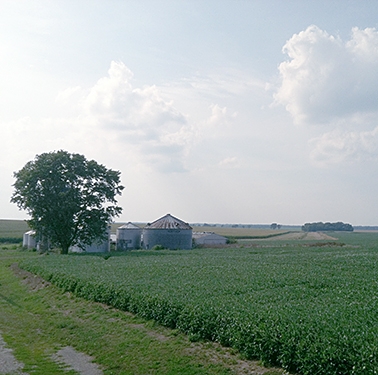
On behalf of a private U.S. agricultural technology provider, WPI’s team generated an econometric model to forecast the movement of concentrated corn production north and west from the traditional U.S. Corn Belt. WPI’s model has subsequently provided quantitative support to a multi-million-dollar investment into short-season corn variety development. WPI’s methodology included a series of interviews with regional grain elevators and seed consultants. Emphasizing outreach and communication with stakeholders who possess intimate sectoral knowledge – on-the-ground insights – is a regular component of WPI’s methodologies, made possible by WPI’s ever-growing network of industry contacts.