


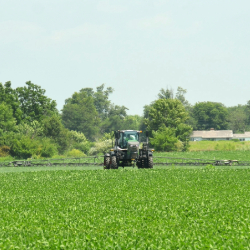
The Make America Healthy Again (MAHA) movement has reached a critical point after the Supreme Court ruled on 25 June that Bayer is shielded from state-level lawsuits because federal regulation does not require the company to warn of alleged cancer risks from such products. Thousands of "failure-to-warn" lawsuits against Bayer from plaintiffs who claim to have developed cancer after using Roundup are now expected to be blocked. Meanwhile, various states have considered bans or restrictions on glyphosate. Change.org has targeted a glyphosate ban petition at every state in the U.S. Glyphosate, which is produced in the U.S. only by Bayer, is sprayed on about 300 million acres of American farmland every year. The timing of that ruling coincided...



 What You Need to Know Today: The Federal Reserve held interest rates steady at 3.75 to 4.0 percent Wednesday, with two officials dissenting in favor of a 25-basis-point increase. The Fed upgraded its assessment of economic growth from "solid" to "strong" but adopted a more patient approa...
 Key Takeaways: Expected growth in U.S. soybean crushing capacity and output, driven by biofuel demand, will increase domestic soymeal supplies, with production growth significantly outpacing demand. WPI forecasts soymeal production increasing from 65.8 million short tons in 2026/27 to 70.5 mil...
 Russian Grain Markets: 19–23 October 2026 The Russian grain market continued its recovery during the week, although prices remained volatile across regions. Wheat was notably bullish, while feed barley and corn were slower to appreciate, primarily because of weaker export demand amid logi...

From WPI Consulting
Communicating importance of value-added products

Facing increasing pressure to quantify the value of export promotion efforts to investors, a U.S. industry organization retained WPI to develop a quantitative model that better communicated the importance of exports. The resulting model concluded that value-added meat exports contributed $0.45 cents per bushel to the price of corn, increasing support for that sector’s financial support of WPI’s client. In addition to serving the red meat industry with this type of analysis, WPI has generated similar deliverables for the U.S. soybean and poultry/egg industries.