

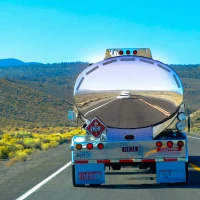
U.S. imports of biodiesel and renewable diesel significantly decreased in the first half of 2025 compared with the same period in previous years. This decline is primarily due to the loss of tax credits for imported biofuels. Additionally, domestic consumption is also down. In January 2025, U.S. production of biodiesel fell to 60,000 barrels per day (b/d), the least since January 2015, and about 40 percent less than in January 2024. Production increased in February and March, bringing the quarterly production to about 70,000 b/d, but still a decrease of 30 percent from Q1 24. While production is expected to increase through the second half of the year, biodiesel production is expected to remain less than in 2024. For...



 What You Need to Know Today: Wheat futures pulled back sharply after Russian President Putin said there was a “chance” for peace and an agreement to end the war in Ukraine. There is plenty of skepticism about the opportunity for peace in Ukraine, but that didn’t stop wheat fr...

 President Trump has opened the door to 100,000 MT of beef lean trimmings (limited to HTS codes 0201.30.5091, 0201.30.5097, 0202.30.5091, and 0202.30.5097) from countries listed under the “Other Countries” TRQ effective 1 September. These imports would not be subject to the over-quot...

 Key Takeaways: CHS and OCP plan to invest up to $450 million in a Louisiana phosphate fertilizer facility capable of producing more than 1 MMT annually, marking the first new U.S. plant of its kind in more than 40 years. The facility could reduce U.S. dependence on imported finished phosphate...

From WPI Consulting
Infrastructure investment due diligence
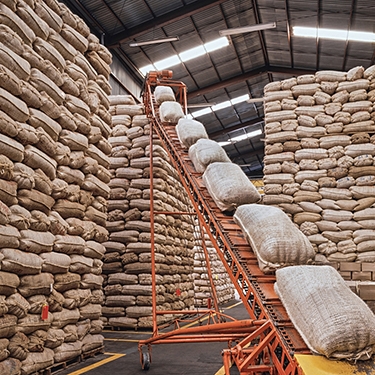
On behalf of a Canadian oilseed processer WPI's team provided market analysis, econometric modeling and financial due diligence in support of a $24 million-dollar investment in a Ukrainian crush plant. Consistent with WPI's findings, local production to supply the plant and the facility's output have expanded exponentially since the investment. WPI has conducted parallel work on behalf of U.S., South American and European clients, both private and public, in the agri-food space.