

U.S. ethanol exports during December-March were up 42 percent over the same period a year earlier. The increased sales are not due to the price of petroleum as there is a very low correlation between the two. Instead, demand is driven by efforts to reduce the carbon intensity of fuels, particularly in Europe. Demand for Sustainable Aviation Fuel is likely to drive even more exports in the future. Brazil is the second largest market for ethanol after the U.S. While Brazil supplies ethanol to the U.S. duty free, American ethanol exports face a tariff in Brazil. Brazil has also been supplying feedstock for U.S. renewable diesel. According to Bloomberg, Brazil accounted for 40 percent of U.S. tallow imports last year. American purchases...



 Key Takeaways: Demand and capacity decide where milk growth lands. Italian cheese is up 4.2 percent in 2026, and milk output is growing fastest in Kansas, South Dakota and Texas, where the new plants are located. Price spreads decide where the marginal milk goes. The Class IV premium over Clas...


 Markets are caught between reasons to keep selling and reasons to take another look. Fund liquidation and renewed peace talks are pressuring grains, while fresh export business and some diesel relief offer encouragement. Corn recovered nearly 10 cents from its low to finish higher, while soybea...

 Key Takeaways: President Trump announced $8 billion in additional agricultural assistance through the Harvest Fuel Relief Program, as USDA projects farm fuel and oil expenses will increase 28.8 percent in 2026. The package follows $12 billion in earlier relief, while government farm payments w...

From WPI Consulting
Forecasting developments in production agriculture
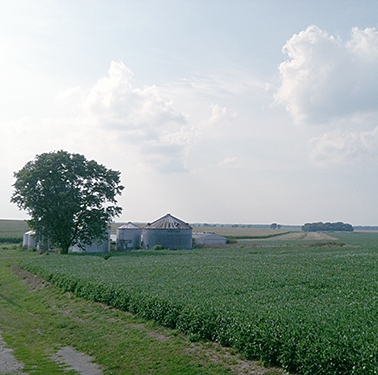
On behalf of a private U.S. agricultural technology provider, WPI’s team generated an econometric model to forecast the movement of concentrated corn production north and west from the traditional U.S. Corn Belt. WPI’s model has subsequently provided quantitative support to a multi-million-dollar investment into short-season corn variety development. WPI’s methodology included a series of interviews with regional grain elevators and seed consultants. Emphasizing outreach and communication with stakeholders who possess intimate sectoral knowledge – on-the-ground insights – is a regular component of WPI’s methodologies, made possible by WPI’s ever-growing network of industry contacts.