


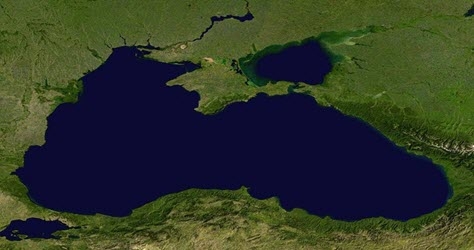
Russian Grain Markets: 3-7 January 2022 The first week of January was holiday season, as usual, so it was impossible to register any changes on the Russian grain market. Due to the political situation in Kazakhstan, the Russian ruble got weaker and domestic prices expressed in U.S. dollar decreased. The prices expressed in the RUB remained unchanged (please see the table below for U.S. dollar price changes). Export milling wheat average offer price remained at $332/MT FOB Black Sea. Average purchase price grew to RUB 16,450/MT CPT-port Black Sea. Feed barley average export price grew to $288/MT FOB Black Sea; average purchase price decreased to RUB 14,600/MT. Feed corn average price remained unchanged at $272/MT FOB Black Sea while averag...


 What You Need to Know Today: Markets got a surprise with a corn yield of 181.2 bushels/acre in the October WASDE, above the average estimate of 177.6 bushels/acre and up from USDA’s September estimate of 178.5 bushels/acre. Although stronger demand is expected to absorb some of the addit...

 The USDA has lowered its 2026 red meat production forecasts slightly while forecasting a slight increase in broiler production. Beef is now projected at 24.802 billion pounds, 75 million pounds less than in September. Cow slaughter is expected to be up; however, this will be offset by lower ste...

From WPI Consulting
Weighing in on strategic realignment

WPI’s team was retained by the governing board of a U.S. industry organization to review a decision, reached by vote, to invest significant assets into the development and management of an export trading company. WPI’s team conducted a formal review of this decision and concluded that the current level of market saturation would limit the benefits of the investment. Based on WPI’s analysis and recommended actions, the board subsequently reversed its decision and undertook a strategic planning effort to identify more impactful investments. On behalf of numerous clients, WPI has not only assisted in identifying strategic paths but also advised their implementation.