


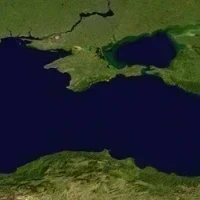
Russian Grain Markets: 5–9 January 2026 The first week of January is typically quiet for trading and logistics as Russia observes Orthodox Christmas. Activity remained subdued, although the ongoing Russo–Ukrainian war continued to shape market sentiment. Both sides carried out airstrikes, with Ukraine targeting oil reserves and refineries, and Russia striking power infrastructure, crush facilities, and storage sites. Several vessels were also attacked in the Black Sea. The latest USDA report indicates that downward pressure on global grain prices—particularly wheat and corn—could continue. To remain competitive, Russia has taken unprecedented steps by keeping grain export duties at zero. Policymakers appear focused o...


 What You Need to Know Today: Corn, wheat, and the soy complex all formed new contract or at least rally highs to close what has become one of the most uniformly bullish weeks in CBOT history. Escalations in the fighting between Russia and Ukraine and attacks on civilian merchant vessels show n...
 Macro: Trade Flows Set the Tone Persian Gulf crude flows appear to be improving, with anecdotal estimates suggesting as much as 7–8 million barrels per day may now be leaving the region — nearly double the mid-July pace. That helps explain why crude has not maintained the full geopo...

From WPI Consulting
Illuminating the value of technical research

On behalf of a commodity producer organization, WPI evaluated the outputs from a project that featured a $5 million investment into technical research over multiple years. WPI’s team captured the results of this extensive effort and synthesized them for presentation to the organization’s governing board; among the findings uncovered and presented for the first time was the development of genomic traits proven, via rigorous testing, to provide crop yield advantages of 50 percent or more to U.S. farmers in times of drought. Capturing measurable results from long-term efforts can be challenging. Educating clients on the dynamics of success measurement when quantifiable results are not readily available requires deep client-consultant collaboration and an ability to consider both near- and long-term client aspirations with market/policy dynamics – attributes that WPI brings to every consulting engagement.