


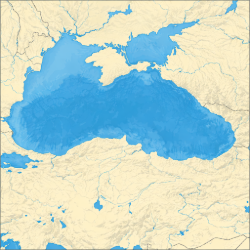
Russian Grain Markets: 27 April - 1 May 2026 The Russian grains market remained volatile but predominantly bullish during the week in review. However, ruble (RUB) movements continue to distort domestic price signals. With export duties at zero for three consecutive weeks and export prices relatively stable, lower RUB-denominated prices primarily reflect currency strength rather than underlying weakness. At the same time, large on-farm stocks continue to pressure the market and are likely to do so through the end of the season. Russia increased grain exports in April to 4.6 MMT, up 1.8 times from April 2025. Despite quotas and logistical constraints, exports this season have expanded beyond wheat to include all major grains. Wheat exports re...


 What You Need to Know Today: Corn, wheat, and the soy complex all formed new contract or at least rally highs to close what has become one of the most uniformly bullish weeks in CBOT history. Escalations in the fighting between Russia and Ukraine and attacks on civilian merchant vessels show n...
 Macro: Trade Flows Set the Tone Persian Gulf crude flows appear to be improving, with anecdotal estimates suggesting as much as 7–8 million barrels per day may now be leaving the region — nearly double the mid-July pace. That helps explain why crude has not maintained the full geopo...

Illuminating the value of technical research

On behalf of a commodity producer organization, WPI evaluated the outputs from a project that featured a $5 million investment into technical research over multiple years. WPI’s team captured the results of this extensive effort and synthesized them for presentation to the organization’s governing board; among the findings uncovered and presented for the first time was the development of genomic traits proven, via rigorous testing, to provide crop yield advantages of 50 percent or more to U.S. farmers in times of drought. Capturing measurable results from long-term efforts can be challenging. Educating clients on the dynamics of success measurement when quantifiable results are not readily available requires deep client-consultant collaboration and an ability to consider both near- and long-term client aspirations with market/policy dynamics – attributes that WPI brings to every consulting engagement.