


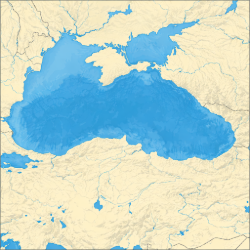
Russian Grain Markets: 3–7 August 2026 The Russian grain market continued to decline during the first week of August following the closure of the Azov and Don ports and restrictions on Black Sea trade linked to the war in Ukraine. Regular air attacks on infrastructure and vessels have further disrupted logistics and export activity. The disruption has prompted exporters to pause purchases in both the Azov and Black Sea regions, causing internal trade to weaken sharply. Russia remains highly dependent on exports, particularly wheat. With ABCD companies not currently active in Russia and alternative trading activity limited, the market has few outlets for grain. Kazakhstan has also closed its borders to Russian wheat. The combination of...


 What You Need to Know Today: CBOT markets pared Monday’s sharp losses as traders booked short profits and adjusted positions ahead of the Grain Stocks report that USDA will release Wednesday afternoon. The 7-day QPF forecast from NOAA now shows heavy rain across the central and western C...
 Key Takeaways: Comparative advantage encourages countries to specialize in goods they can produce at a lower opportunity cost and rely on trade for others. Differences in climate, land, infrastructure, and technology help determine where agricultural commodities can be produced most efficientl...
 Mediterranean/Middle East/North Africa/Africa – MEA Region Iran is reported to have completed its rail link from the border with Afghanistan to the Iranian port of Chabahar on the Gulf of Oman — the link is expected to be fully operational in early 2027. This will be Afghanistan&rsq...

From WPI Consulting
Infrastructure investment due diligence
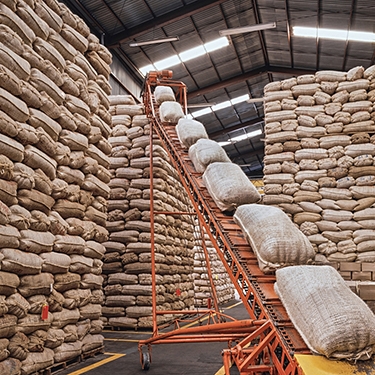
On behalf of a Canadian oilseed processer WPI's team provided market analysis, econometric modeling and financial due diligence in support of a $24 million-dollar investment in a Ukrainian crush plant. Consistent with WPI's findings, local production to supply the plant and the facility's output have expanded exponentially since the investment. WPI has conducted parallel work on behalf of U.S., South American and European clients, both private and public, in the agri-food space.