


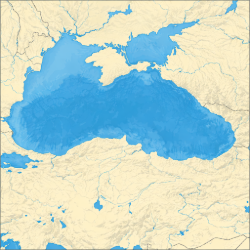
Russian Grain Markets: 10–14 August 2026 The Russian grain market continued to weaken sharply during the second week of August as the Black Sea logistics situation deteriorated. Russia and Ukraine continued exchanging drone and ballistic attacks on seaports, infrastructure and commercial vessels. The disruption is putting significant pressure on Russian grain prices, particularly wheat, while reducing export revenue and hard-currency earnings. Russia’s Black Sea port of Novorossiysk, the country’s main grain export gateway, is no longer operating regularly. NKHP, NZT and KSK terminals have suspended operations, while Taman suspended regular activity in July. Russian Railways also stopped serving Novorossiysk deliveries and...


 What You Need to Know Today: The G7 agreed to release 100 million barrels of crude oil and fuel reserves over four months, with a substantial diesel release front-loaded into the first 20 days. The announcement initially pushed crude oil lower on Friday, although it later recovered a portion o...

 In a recent social media post, R-CALF unveiled its latest cattle market plan: “contracts that bind producers before establishing a base price, then tie that price to future negotiated cash transactions, should be prohibited.” That proposal aligns with recent legislation by Represent...
 WPI Grain Prices and Freight Rate App Note: you can also visit the app directly by clicking here. Supplemental Information The section below offers a concise view of the options available in the current version of the WPI FOB Price and Freight Rate app, along with a short “How To”...

From WPI Consulting
Infrastructure investment due diligence
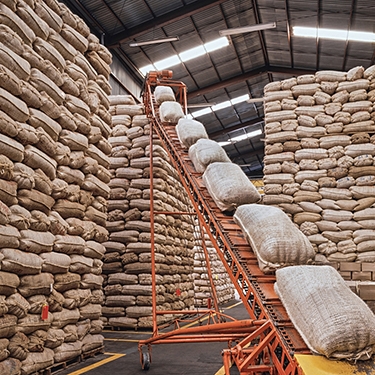
On behalf of a Canadian oilseed processer WPI's team provided market analysis, econometric modeling and financial due diligence in support of a $24 million-dollar investment in a Ukrainian crush plant. Consistent with WPI's findings, local production to supply the plant and the facility's output have expanded exponentially since the investment. WPI has conducted parallel work on behalf of U.S., South American and European clients, both private and public, in the agri-food space.