


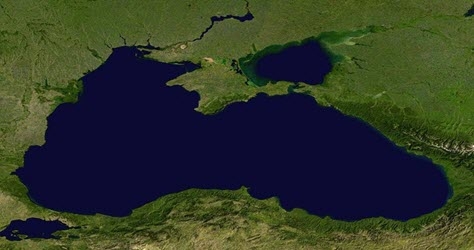
Russian Grain Markets: 23–27 September 2024 The Russian grain market was bullish in European Russia but bearish in the Asian part and Siberia because Kazakhstan introduced a temporary ban on imports of Russian wheat. Grain storage facilities are being filled up to the brim with new crop coming in. Moreover, with less competition in the ports (most of the multinationals stopped their origination business in Russia and Trade House Reef is also gone), Russian farmers will be in a bind as exporters are not in a hurry to increase their bids, at least at this point. Even though wheat production this season in Russia is around 10 MMT lower than a year ago, wheat stocks are ample. Russian analysts believe that famers are refusing to invest...


 What You Need to Know Today: Corn, wheat, and the soy complex all formed new contract or at least rally highs to close what has become one of the most uniformly bullish weeks in CBOT history. Escalations in the fighting between Russia and Ukraine and attacks on civilian merchant vessels show n...
 Macro: Trade Flows Set the Tone Persian Gulf crude flows appear to be improving, with anecdotal estimates suggesting as much as 7–8 million barrels per day may now be leaving the region — nearly double the mid-July pace. That helps explain why crude has not maintained the full geopo...

From WPI Consulting
Weighing in on strategic realignment

WPI’s team was retained by the governing board of a U.S. industry organization to review a decision, reached by vote, to invest significant assets into the development and management of an export trading company. WPI’s team conducted a formal review of this decision and concluded that the current level of market saturation would limit the benefits of the investment. Based on WPI’s analysis and recommended actions, the board subsequently reversed its decision and undertook a strategic planning effort to identify more impactful investments. On behalf of numerous clients, WPI has not only assisted in identifying strategic paths but also advised their implementation.