


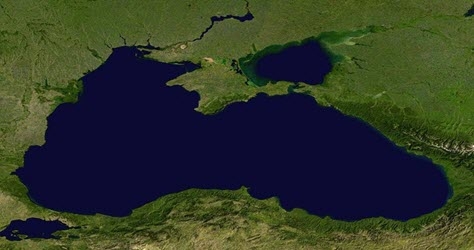
Russian Grain Markets: 31 October - 4 November 2022 Russia’s grain harvest continues and has set a record of 150 MMT. Russia’s wheat belt, Krasnodar area, also set a new wheat production record of 10.7 MMT. The Ministry of Agriculture reported that as of 7 November, Russia produced 151,000 MT of grains of which 105 MMT was wheat, 24.3 MMT barley, and 5.9 MMT corn. With such a crop Russia may become the world’s largest wheat exporter this year depending upon the future of the UN humanitarian grain corridor and the annexing of Ukrainian Azov Sea ports of Berdyansk and Mariupol as well as all Black Sea ports in Kherson Oblast. Mykolayiv deep water port of Ukraine has been blocked since the beginning of the Russian invasion...


 What You Need to Know Today: There has already been a strong run of flash soybean sales announcements in recent weeks, but more than 1.4 MMT reported this morning is an exceptionally large single-day total with major implications for the market. If the sales to China and unknown destinations w...

 In agriculture and food processing, we think a lot about infrastructure: transportation and storage, processing and packaging, distribution and delivery. It is a physical system of roads, railroads, and rivers; concrete and steel storage; processing plants, warehouses, and machinery; and, event...
 Key Takeaways: The Panama Canal’s draft restrictions and decreasing rainfall outlook are driving big moves in dry bulk markets this week. Panamax markets are sharply lower as the economics of moving freight across the Canal are deteriorating rapidly, leading to support in Supramax vessels...

From WPI Consulting
Forecasting developments in production agriculture
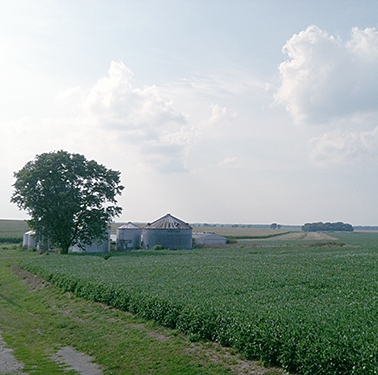
On behalf of a private U.S. agricultural technology provider, WPI’s team generated an econometric model to forecast the movement of concentrated corn production north and west from the traditional U.S. Corn Belt. WPI’s model has subsequently provided quantitative support to a multi-million-dollar investment into short-season corn variety development. WPI’s methodology included a series of interviews with regional grain elevators and seed consultants. Emphasizing outreach and communication with stakeholders who possess intimate sectoral knowledge – on-the-ground insights – is a regular component of WPI’s methodologies, made possible by WPI’s ever-growing network of industry contacts.