


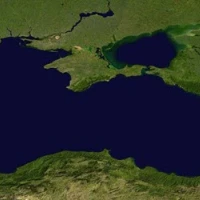
Russian Grain Markets: 2 – 6 December 2024Export duties were the key driver followed by forex and increased freight costs for rail deliveries which are the main channel of grain delivery to the ports both from Russian territory and occupied territories of Ukraine. Before, freight was not a major factor but now it is! Some traders are switching to truck deliveries if distances are relatively small as fuel in Russia is inexpensive compared to the rest of the world. All of the above hinders Russian farmers from receiving the price they deserve and the price which the global market is prepared to pay. December wheat exports are estimated at around 3.5 MMT which is slightly lower than the average for the past several years.Russian wheat des...


 What You Need to Know Today: There has already been a strong run of flash soybean sales announcements in recent weeks, but more than 1.4 MMT reported this morning is an exceptionally large single-day total with major implications for the market. If the sales to China and unknown destinations w...

 In agriculture and food processing, we think a lot about infrastructure: transportation and storage, processing and packaging, distribution and delivery. It is a physical system of roads, railroads, and rivers; concrete and steel storage; processing plants, warehouses, and machinery; and, event...
 Key Takeaways: The Panama Canal’s draft restrictions and decreasing rainfall outlook are driving big moves in dry bulk markets this week. Panamax markets are sharply lower as the economics of moving freight across the Canal are deteriorating rapidly, leading to support in Supramax vessels...

From WPI Consulting
Accountability and a comprehensive approach to export programming

WPI’s team helped construct a strategic approach to develop, implement, and track promotional activities in 8 key regions across the globe for an agricultural export association. With continued progress measurement and strategic advisory services from WPI, the association has seen its ROI from investments in promotional programming increase by 44 percent over the past 5 years. Not only does this type of holistic approach to organizational strategy provide measurable results to track and analyze, it fosters top-down and bottom-up organizational accountability.