


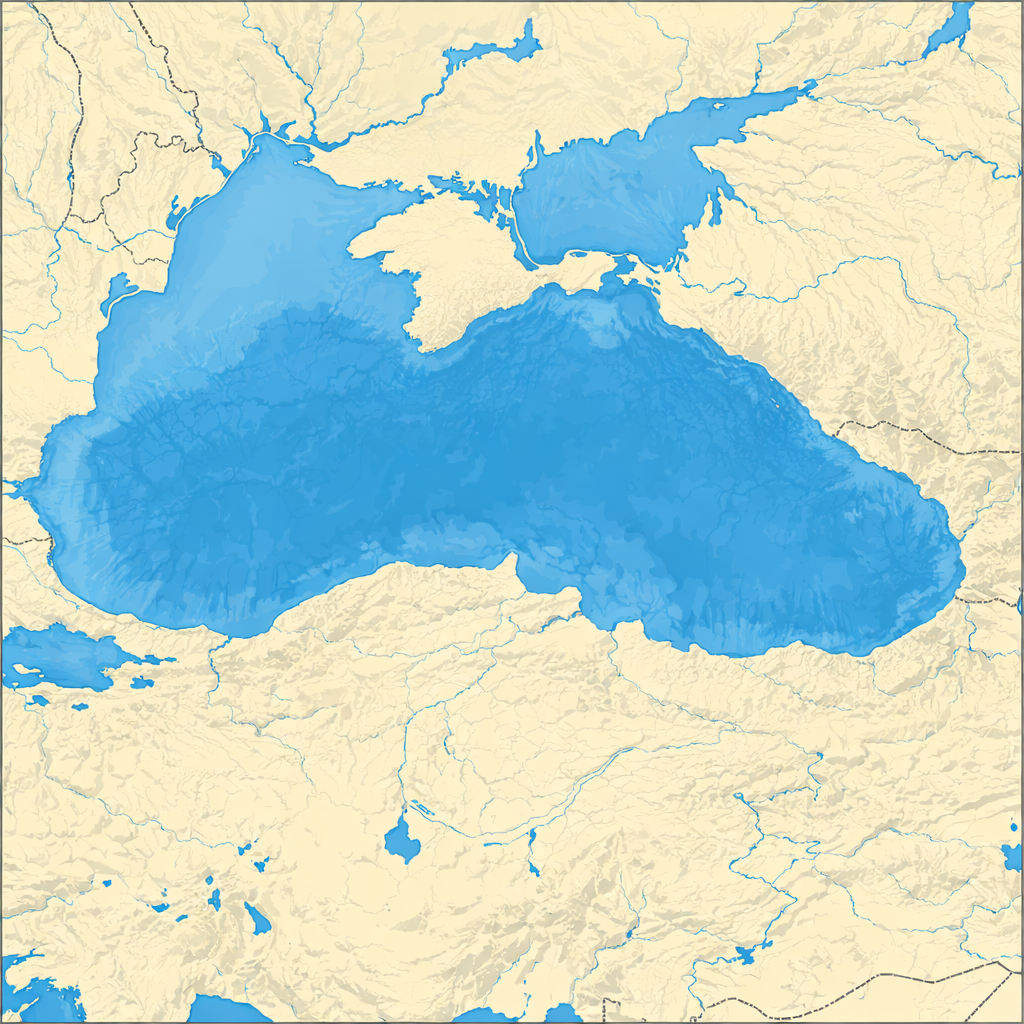
Russian Grain Markets: 12–16 January, 2026 The Russian grains market is slowly but steadily emerging from the extended holiday period. Extreme cold weather is complicating operations, but grain and oilseed receiving and loadings are continuing—albeit with delays—at Russia’s Black Sea ports. Operations at the occupied Azov Sea ports have been temporarily suspended due to ice conditions. The Ukrainian port of Mariupol (now occupied) is currently frozen, and Russia’s Azov Sea port of Taganrog may also freeze. This is not expected to become a major issue, as Russia has two icebreakers operating in the region. Ice conditions could persist in Azov Sea waters until March if cold weather continues. Russia’s ice-f...


 What You Need to Know Today: The Federal Reserve held interest rates steady at 3.75 to 4.0 percent Wednesday, with two officials dissenting in favor of a 25-basis-point increase. The Fed upgraded its assessment of economic growth from "solid" to "strong" but adopted a more patient approa...

 Key Takeaways: Expected growth in U.S. soybean crushing capacity and output, driven by biofuel demand, will increase domestic soymeal supplies, with production growth significantly outpacing demand. WPI forecasts soymeal production increasing from 65.8 million short tons in 2026/27 to 70.5 mil...
 Russian Grain Markets: 19–23 October 2026 The Russian grain market continued its recovery during the week, although prices remained volatile across regions. Wheat was notably bullish, while feed barley and corn were slower to appreciate, primarily because of weaker export demand amid logi...

From WPI Consulting
Communicating importance of value-added products

Facing increasing pressure to quantify the value of export promotion efforts to investors, a U.S. industry organization retained WPI to develop a quantitative model that better communicated the importance of exports. The resulting model concluded that value-added meat exports contributed $0.45 cents per bushel to the price of corn, increasing support for that sector’s financial support of WPI’s client. In addition to serving the red meat industry with this type of analysis, WPI has generated similar deliverables for the U.S. soybean and poultry/egg industries.