


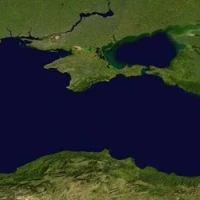
Russian Grain Markets: 9 – 13 December 2024Russian grain markets remained relatively stable but, in some areas, especially export platform, prices were bearish. Part of the reason behind a bearish trend is the potential decrease of stocks. As of early December, stocks of agricultural companies in Russia dropped by 21.3 percent versus last year showing 31.70 MMT. A month ago, this comparison was only 16.2 percent down versus last year. The biggest drop in stocks has been registered in the Black Soil region and export areas near ports. At the same time, grain stocks in Siberia are slightly higher than a year ago. Prices appreciated in the Black Soil Region and in the south, were stable in the Urals, and depreciated in Siberia.Russia most like...


 What You Need to Know Today: Corn, wheat, and the soy complex all formed new contract or at least rally highs to close what has become one of the most uniformly bullish weeks in CBOT history. Escalations in the fighting between Russia and Ukraine and attacks on civilian merchant vessels show n...
 Macro: Trade Flows Set the Tone Persian Gulf crude flows appear to be improving, with anecdotal estimates suggesting as much as 7–8 million barrels per day may now be leaving the region — nearly double the mid-July pace. That helps explain why crude has not maintained the full geopo...

From WPI Consulting
Communicating importance of value-added products

Facing increasing pressure to quantify the value of export promotion efforts to investors, a U.S. industry organization retained WPI to develop a quantitative model that better communicated the importance of exports. The resulting model concluded that value-added meat exports contributed $0.45 cents per bushel to the price of corn, increasing support for that sector’s financial support of WPI’s client. In addition to serving the red meat industry with this type of analysis, WPI has generated similar deliverables for the U.S. soybean and poultry/egg industries.