
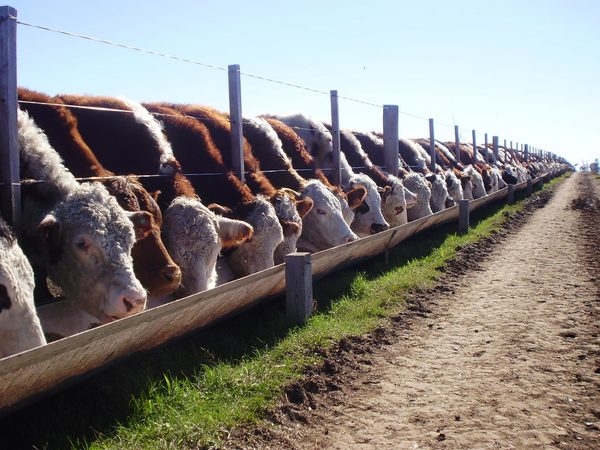
USDA released its semi-annual cattle inventory report yesterday. It showed the U.S. herd on 1 January 2018 was the largest in nine years at 94.4 million head or 101 percent of the total on the same date a year ago. The calf crop was estimated at 35.8 million head or 102 percent of the 2016 total. The growth came from calves born during the first half of 2017, estimated at 26.0 million head or 73 percent of the annual total. The report confirms that the cattle herd is still increasing but at a slower pace. The more rapid expansion over the past three years followed a decline during the extended drought period that lowered pasture and range conditions through 2014. Thus, all eyes were on the documented female inventory changes as an indicato...



 What You Need to Know Today: The corn and soybean markets closed slightly higher in low-volume trade. The wheat market was mixed, with HRW continuing its downward trek on improved moisture. As expected, the bearish cattle on feed report drove down cattle prices and pulled hogs down with it. Mi...
 Monday, 25 May is a U.S. holiday, and both the markets and our office will be closed. Please note that the next issue of Ag Perspectives will be published on Tuesday, 26 May. The WPI staff wishes everyone a safe and enjoyable holiday weekend...
 USDA’s monthly cattle on feed report was released today. The total number of cattle on feed in feedlots with 1,000 head or more capacity amounted to 11.6 million head, 102 percent of last year. Source: USDA, WPI Placements were up, but part of that is attributable to persistent drought c...

From WPI Consulting
Infrastructure investment due diligence
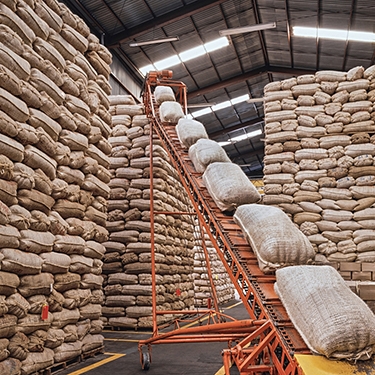
On behalf of a Canadian oilseed processer WPI's team provided market analysis, econometric modeling and financial due diligence in support of a $24 million-dollar investment in a Ukrainian crush plant. Consistent with WPI's findings, local production to supply the plant and the facility's output have expanded exponentially since the investment. WPI has conducted parallel work on behalf of U.S., South American and European clients, both private and public, in the agri-food space.