


As noted before, it is the U.S. Census Bureau rather than USDA that keeps the official count of grain, soybean and soy product exports. USDA’s FGIS keeps a tab on the volume of grain and soybeans inspected for export each week, and its FAS operates its export sales reporting system. The latter requires exporters to report sales and shipments each week, including for soy products, and it keeps a running tally on export shipments through each crop cycle. The combined USDA data provides timely ways to follow the pace of export shipments, but it is the monthly report on international trade from the Census Bureau, which is based on customs clearance data, that provides the official numbers. There is usually some variation among the export...


 Markets are caught between reasons to keep selling and reasons to take another look. Fund liquidation and renewed peace talks are pressuring grains, while fresh export business and some diesel relief offer encouragement. Corn recovered nearly 10 cents from its low to finish higher, while soybea...

 Key Takeaways: President Trump announced $8 billion in additional agricultural assistance through the Harvest Fuel Relief Program, as USDA projects farm fuel and oil expenses will increase 28.8 percent in 2026. The package follows $12 billion in earlier relief, while government farm payments w...

 Key Takeaways: A student group from the University of Chicago is protesting to bring back onion futures trading. Trading in onion futures was banned in 1958 following a spectacular bout of market manipulation that resulted in a corner of the physical market. The ban on onion futures led t...

From WPI Consulting
Infrastructure investment due diligence
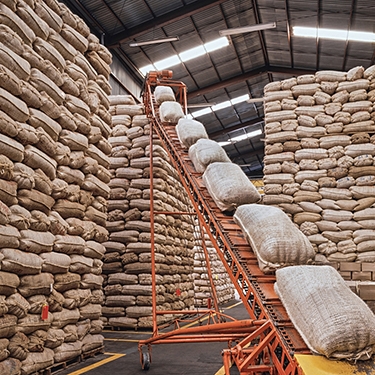
On behalf of a Canadian oilseed processer WPI's team provided market analysis, econometric modeling and financial due diligence in support of a $24 million-dollar investment in a Ukrainian crush plant. Consistent with WPI's findings, local production to supply the plant and the facility's output have expanded exponentially since the investment. WPI has conducted parallel work on behalf of U.S., South American and European clients, both private and public, in the agri-food space.