



Macroeconomics Exploding Meat Prices Drive September’s Food Inflation A further look at the September data from China’s National Bureau of Statistics reveals some interesting trends for the country’s consumer price index. Prices for nonfood items that comprise the index ticked up just 1 percent over prices from September 2018. In sharp contrast, pork meat prices at the retail level were up year-on-year by 69.3 percent, beef was up by 18.8 percent, mutton rose by 15.9 percent, and poultry climbed by 14.7 percent. Eggs and fruit also jumped up by 8.2 percent and 7.7 percent, respectively. Some of these increases were due in part to pre-holiday shopping in advance of the 70th Anniversary of People’s Republic of China...


 What You Need to Know Today: The corn and soybean markets closed slightly higher in low-volume trade. The wheat market was mixed, with HRW continuing its downward trek on improved moisture. As expected, the bearish cattle on feed report drove down cattle prices and pulled hogs down with it. Mi...

 USDA’s monthly cattle on feed report was released today. The total number of cattle on feed in feedlots with 1,000 head or more capacity amounted to 11.6 million head, 102 percent of last year. Source: USDA, WPI Placements were up, but part of that is attributable to persistent drought c...
 Let’s return briefly to the fake meat hype cycle, now sitting somewhere in a dusty corner of your mind, not entirely forgotten. What happened to all those products, known as plant-based alternative proteins? They were supposed to be as good as real meat—cheaper, more environmentally...

From WPI Consulting
Infrastructure investment due diligence
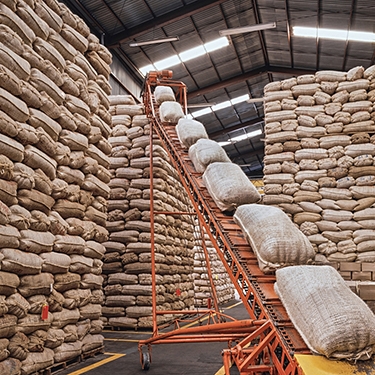
On behalf of a Canadian oilseed processer WPI's team provided market analysis, econometric modeling and financial due diligence in support of a $24 million-dollar investment in a Ukrainian crush plant. Consistent with WPI's findings, local production to supply the plant and the facility's output have expanded exponentially since the investment. WPI has conducted parallel work on behalf of U.S., South American and European clients, both private and public, in the agri-food space.