
Beef China’s new import safeguard on beef continues to stir the market. Its largest impact is on the biggest supplier of protein, Brazil. Suppliers in that country say they will have to reduce production and slaughter capacity. Meanwhile, Ireland is pleased that Beijing has lifted a ban that it imposed back in 2024. Even more fortunate, according to analyst Claire Tax, is New Zealand, which will have a supplying quota for beef that is 40 percent larger than its current export level. Wheat Lower world prices for wheat are making it attractive for Chinese importers to boost purchases predominantly from Australia and Argentina. The increased imports also may signal greater domestic demand for wheat food products. Some of the wheat will a...



 Key Takeaways: The U.S.-China agreement lowers tariffs on several U.S. agricultural products, but the lack of additional soybean commitments or greater certainty surrounding China’s existing 25 MMT purchase pledge made the deal a slight disappointment. Lower tariffs on U.S. corn are unli...
 The heat of summer is now transitioning into more moderate temperatures, and the next two months have the busiest marketing periods of the year for replacement cattle. Weather always influences the replacement cattle market, and the primary grain belt in the Southern Plains, where many cattle a...


 Key Takeaways: Diesel accounts for about 64 percent of U.S. farm fuel spending. For farmers, the pressing question is what a higher price adds to each field operation. Iowa farm diesel averaged $5.50/gallon in September, compared with the $2.89/gallon Iowa State assumed for its February machin...

 It’s often said that history doesn’t repeat itself, but it often rhymes. If only humanity could stop repeating the worst parts of our historic verse. Politicians, again at the center of this week’s follies, have found a way to make old mistakes sound new: announce them at a pr...

From WPI Consulting
Infrastructure investment due diligence
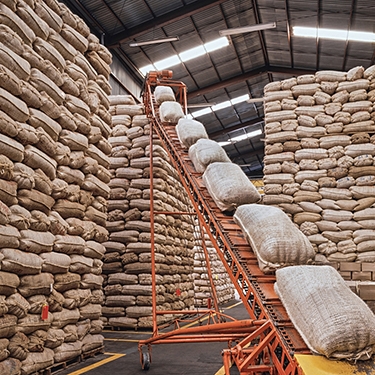
On behalf of a Canadian oilseed processer WPI's team provided market analysis, econometric modeling and financial due diligence in support of a $24 million-dollar investment in a Ukrainian crush plant. Consistent with WPI's findings, local production to supply the plant and the facility's output have expanded exponentially since the investment. WPI has conducted parallel work on behalf of U.S., South American and European clients, both private and public, in the agri-food space.