
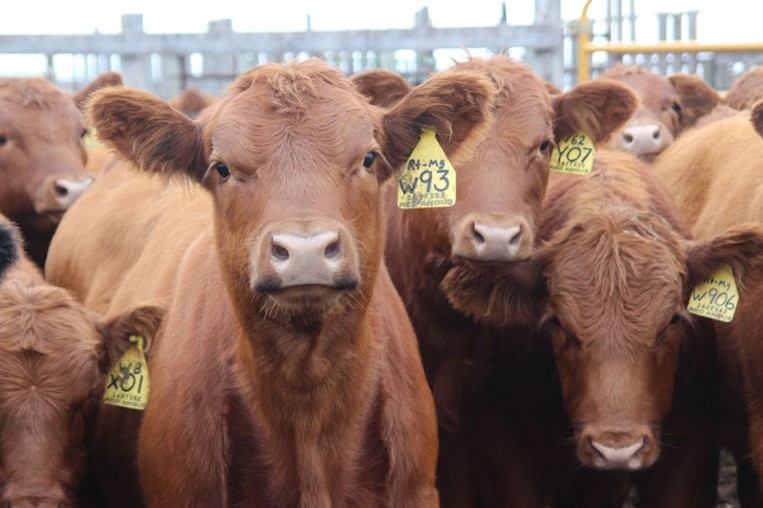
China Proposing Tariffs on U.S. Beef China’s tariffs for U.S. pork products (see Ag Perspectives, 2 April 2018), which are in addition to existing duties, are probably one of its more strategic retaliatory strikes in the current trade dispute. Domestic hog and pork prices there are down more than one-third so far in 2018. As this situation has escalated, China lobbed a more psychological retaliation by adding beef to a proposed tariff list along with soybeans, the top overall U.S. export to that country. Of course, beef shipments to China are not large; the market was just reopened in June 2017. In addition, the Chinese traceability requirement of U.S. beef is still a practical hurdle. However, according to the U.S. Meat Export Fede...



 What You Need to Know Today: Crude oil prices extended their rally today, supported by several developments, including escalating Houthi attacks on Saudi Arabian oil infrastructure and growing concerns about supply disruptions. The Trump administration is reportedly preparing to remove 50 perc...
 Key Takeaways: The agricultural trade surplus has become a sizable deficit: the balance swung from a $40.1 billion surplus in 2011 to a $40.7 billion deficit in 2025. Imports kept growing while exports lost momentum: between 2020 and 2025, agricultural imports increased 45 percent, compa...
 USDA released its October Cattle on Feed report Friday, showing 11.4 million cattle in feedlots with capacity for 1,000 head or more, slightly below last year. September placements were the lowest for the month since records began in 1996, marking the third consecutive month of placements sett...
 Total Red Meat & Poultry September 2026 total red meat and poultry stocks totaled 1.97 billion pounds, down 1.4 percent from August despite typically increasing 0.8 percent during the month, and were 1.5 percent below September 2025 levels. The decline pushed total inventories to a new five...

From WPI Consulting
Accountability and a comprehensive approach to export programming

WPI’s team helped construct a strategic approach to develop, implement, and track promotional activities in 8 key regions across the globe for an agricultural export association. With continued progress measurement and strategic advisory services from WPI, the association has seen its ROI from investments in promotional programming increase by 44 percent over the past 5 years. Not only does this type of holistic approach to organizational strategy provide measurable results to track and analyze, it fosters top-down and bottom-up organizational accountability.