

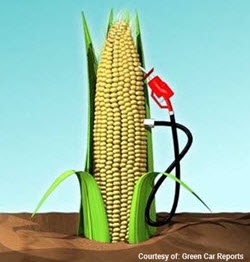
Just as hopes were high for resuming ethanol exports to China under the Phase One deal to be signed this week, China is suspending its national E10 ethanol blending plan which was to be in effect in 2020. While the E10 goal was never realistic – USDA’s FAS post in China estimated mid-way through last year the blend rate in 2019 would be about 2.5 percent - export prospects are now uncertain as China backs off its general aspirational goals on promoting ethanol use. At least for 2020, China’s ethanol policy will remain a patchwork of local and provincial programs. Domestic production is capped by a number of factors in addition to available feedstock, including a lack of funding for continued subsidies to build...



From WPI Consulting
Communicating importance of value-added products

Facing increasing pressure to quantify the value of export promotion efforts to investors, a U.S. industry organization retained WPI to develop a quantitative model that better communicated the importance of exports. The resulting model concluded that value-added meat exports contributed $0.45 cents per bushel to the price of corn, increasing support for that sector’s financial support of WPI’s client. In addition to serving the red meat industry with this type of analysis, WPI has generated similar deliverables for the U.S. soybean and poultry/egg industries.