

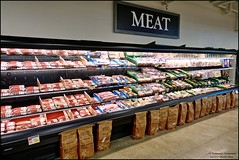
In its recent WASDE report, USDA increased its estimate for meat production this year by 3 percent to 106 billion pounds, and forecasts output in 2021 at 107.6 billion pounds. Meanwhile, China’s pork production remains 30 percent below pre-COVID levels and its meat prices are off the chart. China has made some standout purchases of corn, but it might better serve itself and the Phase One trade deal if instead it bought meat. U.S. grain producers benefit either way and prior studies have shown net-economic efficiencies when countries import meat from more efficient producers instead of replicating the process. In a separate analysis, the independent journalism platform Diálogo Chino tracks the decades-long investment spree by C...



From WPI Consulting
Illuminating the value of technical research

On behalf of a commodity producer organization, WPI evaluated the outputs from a project that featured a $5 million investment into technical research over multiple years. WPI’s team captured the results of this extensive effort and synthesized them for presentation to the organization’s governing board; among the findings uncovered and presented for the first time was the development of genomic traits proven, via rigorous testing, to provide crop yield advantages of 50 percent or more to U.S. farmers in times of drought. Capturing measurable results from long-term efforts can be challenging. Educating clients on the dynamics of success measurement when quantifiable results are not readily available requires deep client-consultant collaboration and an ability to consider both near- and long-term client aspirations with market/policy dynamics – attributes that WPI brings to every consulting engagement.