


It is commonly accepted that without a major crop production disaster in the Northern and/or Southern Hemisphere, the fundamental outlook for U.S. corn, wheat and the soy complex in 2020/21 looks quite bearish. It appears that growing U.S. and world supplies will outpace demand. That outlook is further complicated by the current and future impact of the coronavirus pandemic. However, given its severely negative affect on the U.S. economy and on the overall global economy, the still spreading disease is adding another bearish layer to the market’s outlook. And, so far there is no sign of a weather-related problem for crops in any country or region capable of having a significant influence on grain and soy markets. In fact, wheat...



From WPI Consulting
Forecasting developments in production agriculture
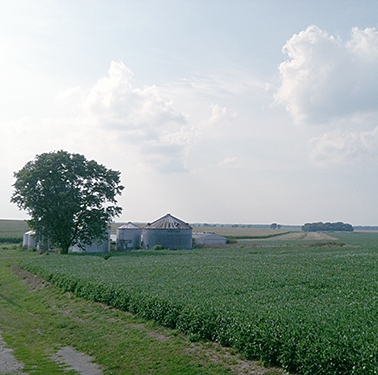
On behalf of a private U.S. agricultural technology provider, WPI’s team generated an econometric model to forecast the movement of concentrated corn production north and west from the traditional U.S. Corn Belt. WPI’s model has subsequently provided quantitative support to a multi-million-dollar investment into short-season corn variety development. WPI’s methodology included a series of interviews with regional grain elevators and seed consultants. Emphasizing outreach and communication with stakeholders who possess intimate sectoral knowledge – on-the-ground insights – is a regular component of WPI’s methodologies, made possible by WPI’s ever-growing network of industry contacts.