
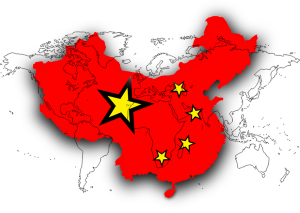
Recently, the USDA FAS lowered its forecast for China’s 2025 beef consumption based on higher prices and the Middle Kingdom’s slowing economy. The USDA forecast consumption at 11.17 MMT, down 3 percent from 2024 and the first annual decline since 2017. The motivation behind the consumption cut was the challenges faced by Chinese consumers, particularly the middle class. As the economy stalls and GDP growth shrinks (most likely far faster than the CPP will admit), consumer budgets are increasingly squeezed, which is pushing consumption towards value meats like pork and poultry. China’s economic problems are further compounded by negative population growth, which will also have an impact on meat consumption. WPI...



 What You Need to Know Today: Last week’s Trump-Xi meetings included China agreeing to roll back $60 billion in tariffs on a huge swath of U.S. ag products, just notably not soybeans. The exclusion of soybeans from the tariff-reduction list means China’s state-run importers COFCO an...
 Key Takeaways: The U.S.-China agreement lowers tariffs on several U.S. agricultural products, but the lack of additional soybean commitments or greater certainty surrounding China’s existing 25 MMT purchase pledge made the deal a slight disappointment. Lower tariffs on U.S. corn are unli...
 What You Need to Know Today: Headlines emerging from negotiations between President Trump and President Xi were relatively limited, with a more substantive announcement expected Monday. U.S. Trade Representative Jamieson Greer indicated that additional details related to agricultural trade cou...

From WPI Consulting
Infrastructure investment due diligence
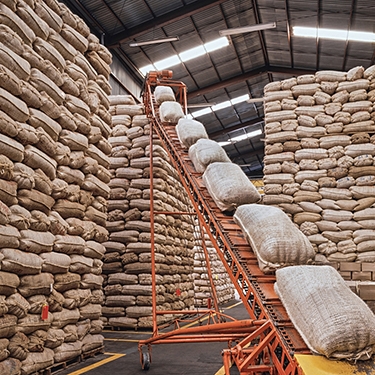
On behalf of a Canadian oilseed processer WPI's team provided market analysis, econometric modeling and financial due diligence in support of a $24 million-dollar investment in a Ukrainian crush plant. Consistent with WPI's findings, local production to supply the plant and the facility's output have expanded exponentially since the investment. WPI has conducted parallel work on behalf of U.S., South American and European clients, both private and public, in the agri-food space.