

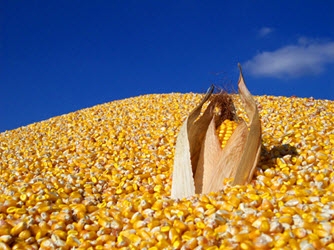
Chinese agricultural analysis firm JCI notes that the country’s major livestock production fell 10.2 percent last year (-21 percent for pork), and yet feed production was down just 4.4 percent. There are several factors behind these numbers including a ban on feeding slop to pigs, the increase in average slaughter weight, the rise in poultry production and animals slaughtered for disease control nonetheless were fed to some degree. However, the more notable observation going forward is the implication of these changes on future feed demand. China’s ban on low-grade feed is likely to continue, as is its conversion to industrial production methods. If China fattened livestock in a manner similar to the U.S., feed disappearance wo...



From WPI Consulting
Weighing in on strategic realignment

WPI’s team was retained by the governing board of a U.S. industry organization to review a decision, reached by vote, to invest significant assets into the development and management of an export trading company. WPI’s team conducted a formal review of this decision and concluded that the current level of market saturation would limit the benefits of the investment. Based on WPI’s analysis and recommended actions, the board subsequently reversed its decision and undertook a strategic planning effort to identify more impactful investments. On behalf of numerous clients, WPI has not only assisted in identifying strategic paths but also advised their implementation.