


Early morning gains gave way to afternoon losses in the CBOT markets while livestock futures were steady/higher. The weather remains moderately bullish row crops. This weekend’s weather was unusually hot and dry across the U.S. Midwest and Southern Plains. Unfortunately, this looks to be the first of several such spells, with hot weather again returning at the end of this week. While late-May heat correlates poorly with eventual corn and soybean yield losses, the present weather pattern suggests the summer will be hotter and perhaps drier than ideal. Elsewhere in the world, the Black Sea remains under a warm/dry spell while the spring wheat crop in Russia is too cool/wet. To date, approximately 60 percent of Russia’s spri...


 What You Need to Know Today: USDA reports are delayed until Tuesday due to the federal holiday on Monday. Over the weekend, President Trump announced a ceasefire between Russia and Ukraine. Russia warmly welcomed and confirmed this ceasefire by conducting more strikes against Ukraine. Specific...

 On Saturday, 10 October, at a campaign rally in Clarksville, Tennessee, President Trump said that the U.S. and Mexico would come to terms on a new trade deal, and he said Canada does not need to be part of the deal. Trump called the coming agreement with Mexico “great” but gave no d...
 Key Takeaways: The United States has steadily lost global wheat export market share since the 1970s, falling from the world's leading exporter to a projected fifth place in 2026/27. The rapid expansion of Black Sea wheat exports, driven by improved productivity and export infrastructure, has r...

From WPI Consulting
Infrastructure investment due diligence
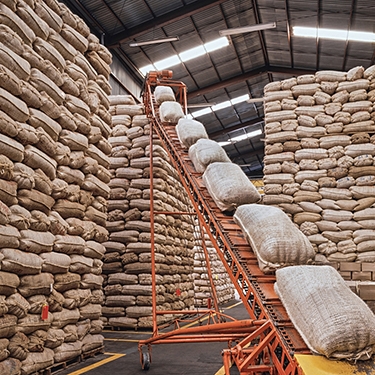
On behalf of a Canadian oilseed processer WPI's team provided market analysis, econometric modeling and financial due diligence in support of a $24 million-dollar investment in a Ukrainian crush plant. Consistent with WPI's findings, local production to supply the plant and the facility's output have expanded exponentially since the investment. WPI has conducted parallel work on behalf of U.S., South American and European clients, both private and public, in the agri-food space.