
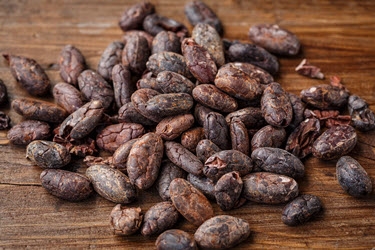
At the end of July 2024, WPI published an article looking at the drivers of the cocoa market’s massive rally in 2023 and 2024 and that offered an outlook for MY 2024/25. This article offers a brief update on market conditions and developments that have occurred in the two months since our last analysis. Short-Run Dynamics ICE cocoa futures have rallied sharply this week with the March contract up $669/MT amid tighter global stockpiles, currency dynamics, and West African cocoa production. ICE-monitored cocoa inventories in U.S. ports have been trending lower for the past 15 months and hit a 15-year low on Tuesday at 1.998 million bags. London cocoa futures also added to their gains this week when the British pounds slipp...



 Regional News Dry weather across the UK and Europe is becoming increasingly concerning for the 2027 crops as planting intentions are lowered amid dry soil conditions. Delayed sowing or establishment under adverse conditions could leave crops more vulnerable to frost/freeze events and dise...

From WPI Consulting
Forecasting developments in production agriculture
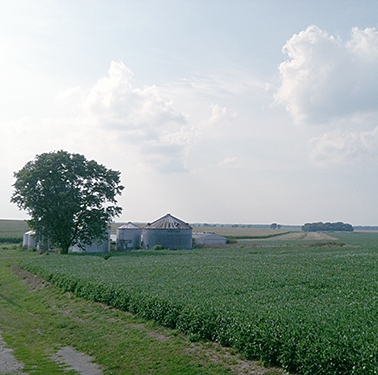
On behalf of a private U.S. agricultural technology provider, WPI’s team generated an econometric model to forecast the movement of concentrated corn production north and west from the traditional U.S. Corn Belt. WPI’s model has subsequently provided quantitative support to a multi-million-dollar investment into short-season corn variety development. WPI’s methodology included a series of interviews with regional grain elevators and seed consultants. Emphasizing outreach and communication with stakeholders who possess intimate sectoral knowledge – on-the-ground insights – is a regular component of WPI’s methodologies, made possible by WPI’s ever-growing network of industry contacts.