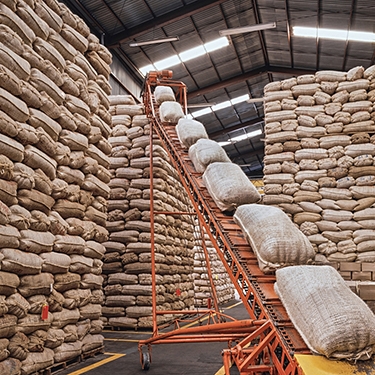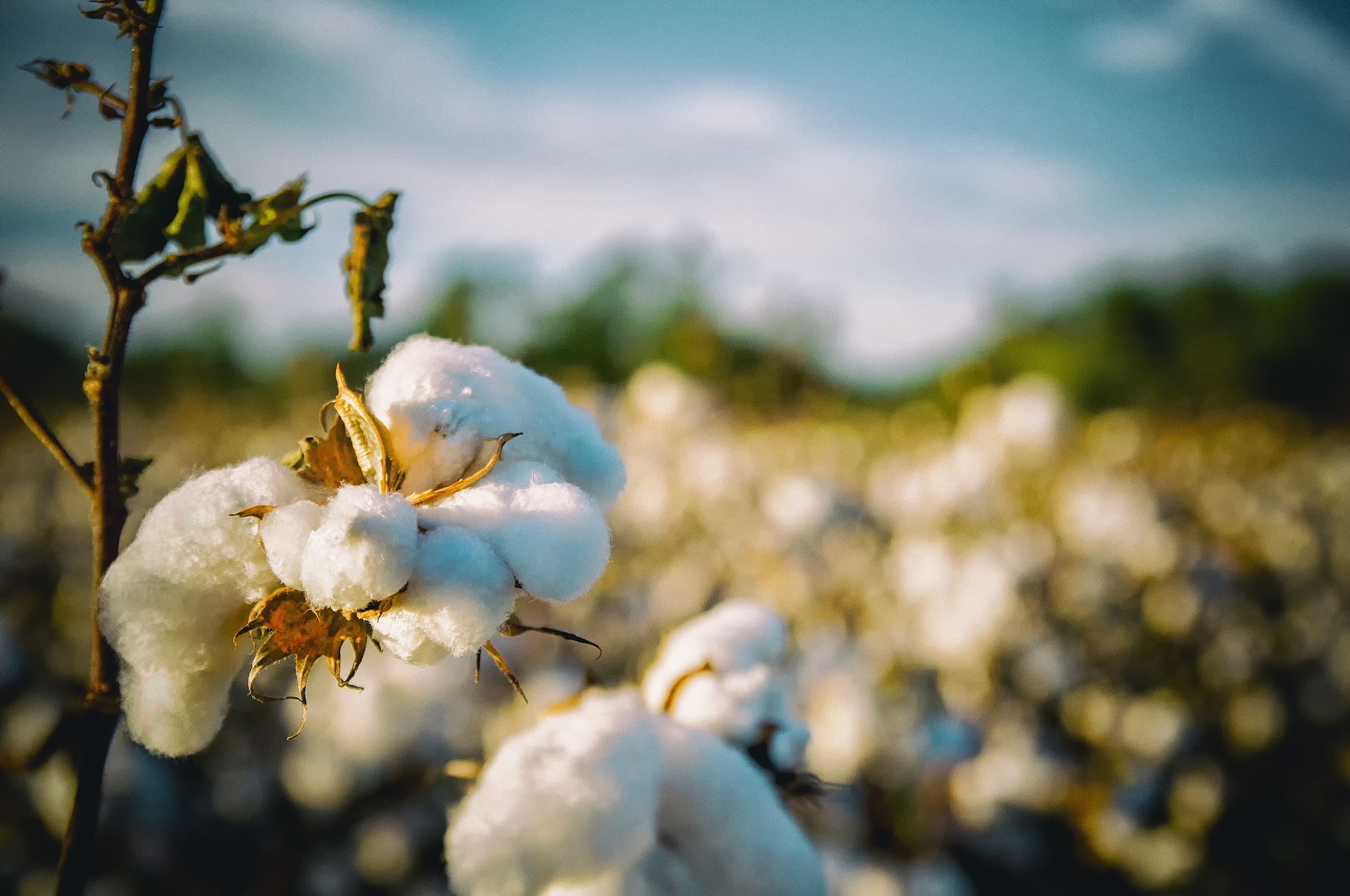
There is much consternation over the fact that global stocks-to-use in wheat is down to 12.5 percent and as a result, the price of the March SRW contract is up 65 percent. Yet the price on the December cotton contract is up 120 percent from its low.
Cotton is not essential for the food supply and the global stocks-to-use is over 70 percent, which is higher than it was just a few years ago. Instead, what is happening in the cotton market is politics. Major fashion retailers will not buy cotton from Xinjiang Province in China out of fear of a consumer backlash on behalf of the oppressed Uyghur people. China’s stocks-to-use for cotton is over 90 percent but purchasers have instead been waiting for a late harvested U.S. crop and where...



 Key Takeaways: Lamb and goat tariffs protect market share, not prices. The flock is too small to respond quickly, and the burden depends on origin: 12.5 percent on Australia and New Zealand, reportedly 37.5 percent plus the base rate on China. Wool is most exposed via the export side. The U.S...