

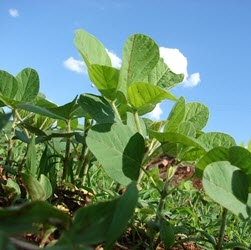
Since the start of 2020, the value of the nearby soybean contract has risen in value by over 25 percent. That compares to 7.28 percent for corn and 5 percent for SRW wheat. But this is not a single year story but rather a long-term dynamic. While rice remains the single most valuable crop in the world, followed by livestock, corn and then wheat, soybeans claim the title for the largest global value growth over a decade (see graph below). Rice and wheat are predominantly food crops and thus have stable demand but less diverse uses. Soybeans, and number two in value growth corn, are more diversified as their value chains have larger splits into food, feed, and fuel. But the demand for soybeans is pacing closer to the expansion capacity in pr...



Illuminating the value of technical research

On behalf of a commodity producer organization, WPI evaluated the outputs from a project that featured a $5 million investment into technical research over multiple years. WPI’s team captured the results of this extensive effort and synthesized them for presentation to the organization’s governing board; among the findings uncovered and presented for the first time was the development of genomic traits proven, via rigorous testing, to provide crop yield advantages of 50 percent or more to U.S. farmers in times of drought. Capturing measurable results from long-term efforts can be challenging. Educating clients on the dynamics of success measurement when quantifiable results are not readily available requires deep client-consultant collaboration and an ability to consider both near- and long-term client aspirations with market/policy dynamics – attributes that WPI brings to every consulting engagement.