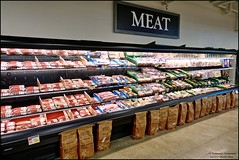
Supply chain experts say there is ample food in the system despite the initial surge in purchasing by consumers worried about coronavirus lockdowns. For shelf-stable products, there is at least eight to ten months’ worth of supply in warehouses; perishables are obviously less abundant. South Korea’s reported problem with perishables is product normally destined for shuttered restaurants now going to waste. The larger problem in the industry is the logistics of moving supplies from warehouses to stores. It is mostly third-party delivery companies and they are concurrently burdened with a surge in online shopping for most goods. Another problem emerging is labor shortages affecting growing, harvesting, processing and distri...



From WPI Consulting
Forecasting developments in production agriculture
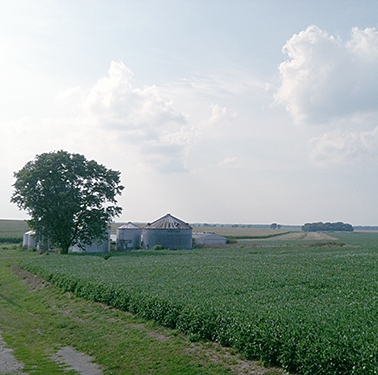
On behalf of a private U.S. agricultural technology provider, WPI’s team generated an econometric model to forecast the movement of concentrated corn production north and west from the traditional U.S. Corn Belt. WPI’s model has subsequently provided quantitative support to a multi-million-dollar investment into short-season corn variety development. WPI’s methodology included a series of interviews with regional grain elevators and seed consultants. Emphasizing outreach and communication with stakeholders who possess intimate sectoral knowledge – on-the-ground insights – is a regular component of WPI’s methodologies, made possible by WPI’s ever-growing network of industry contacts.