
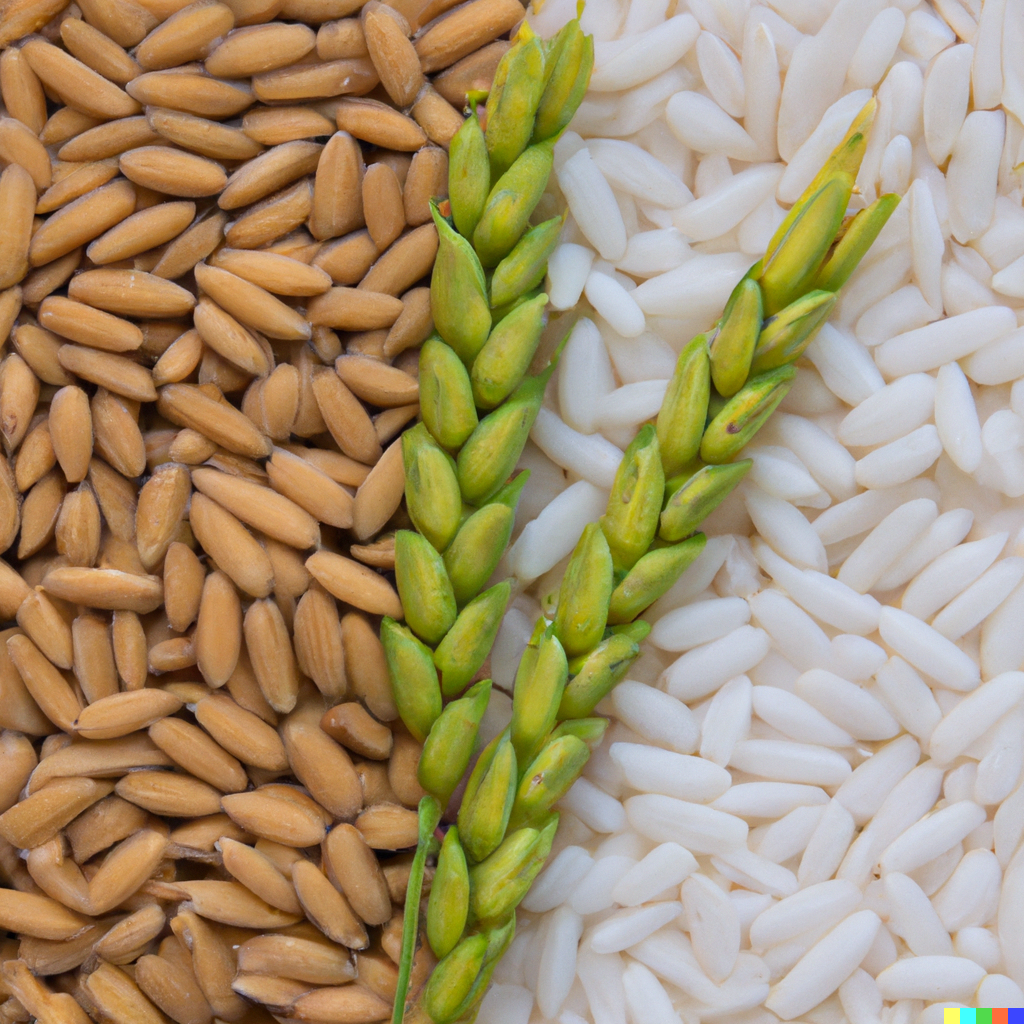
According to USDA, South Korea’s government is taking steps to stop the price of rice from falling and to slow over-production. There will be payments to farmers for reducing planted area by 5.1 percent, and increased government purchases of rice at more than one-fifth of the crop. The problem is not increased productivity since rice yields are trending smaller. Instead, it is declining consumption caused by both a falling population count, and the increased uptake of wheat. South Korean rice consumption has fallen 15.6 percent since its peak in 2017/18. Over that same period, wheat uptake has increased a nearly identical 15.5 percent. Declining population will also begin to impact consumption patterns in Japan, China, and several co...



 WPI Grain Prices and Freight Rate App Note: you can also visit the app directly by clicking here. Supplemental Information The section below offers a concise view of the options available in the current version of the WPI FOB Price and Freight Rate app, along with a short “How To”...
 Key Takeaways: Dry bulk markets are mixed this week with the Capesize sector seeing a sharp correction from its recent rally. Smaller vessel classes are steady/firmer but the Chinese Golden Week Holiday is pressuring near-term rates. Dry bulk freight did not receive the bullish boost it...

From WPI Consulting
Accountability and a comprehensive approach to export programming

WPI’s team helped construct a strategic approach to develop, implement, and track promotional activities in 8 key regions across the globe for an agricultural export association. With continued progress measurement and strategic advisory services from WPI, the association has seen its ROI from investments in promotional programming increase by 44 percent over the past 5 years. Not only does this type of holistic approach to organizational strategy provide measurable results to track and analyze, it fosters top-down and bottom-up organizational accountability.