
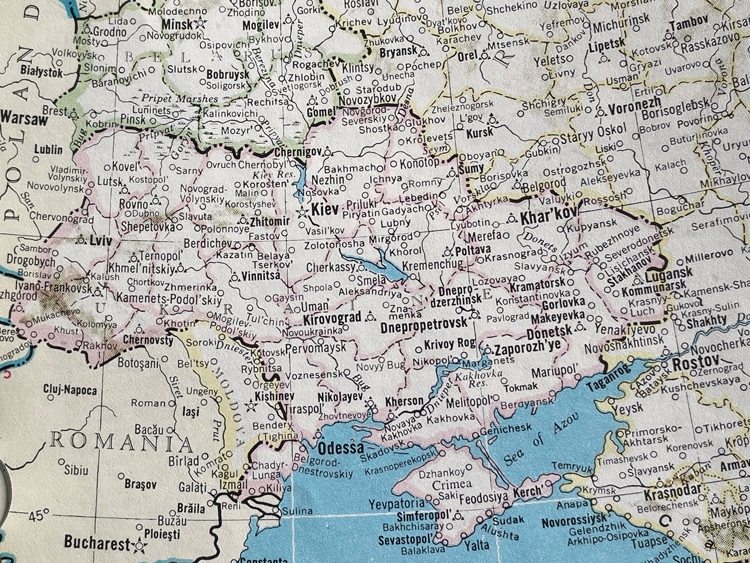
Ukraine has successfully sent a few ships filled with grain out the Black Sea the past few weeks, but it is unlikely to transit the 33 MMT achieved under the now defunct grain corridor agreement with Russia. Meanwhile, Russia is attacking Ukraine’s sea and river ports including hammering Odessa this past weekend. Grain must bypass wrecked terminals and be loaded manually. At the same time Ukraine’s sea borne cargoes are threatened, Poland, Hungary and Slovakia have said the grain cannot move via their territory to protect their own farmers’ economics. The EU reports that only a third of the Ukrainian grain previously moved via its solidarity lanes has made passage. This western overland passage was intended to...



 What You Need to Know Today: End-of-month profit taking sent the CBOT broadly lower, though corn and soybeans managed to post small gains to continue their rallies. Turkey’s foreign ministry claimed to have a plan to ensure safe passage for both Ukrainian and Russian grain vessels via th...
 Developer's Note 24 August 2026: WPI recently completed an exercise that updated the codebase for this app and solved some of the discrepancies between our five-year average calculation and USDA's. There are a few lingering cases where early (late) starts (finishes) to the crop cycle resu...
 Key Takeaways: Corn and soybean prices rallied sharply last week as declining U.S. production expectations collided with strong demand, raising the prospect of tighter supplies and leaving the market with a smaller margin for further yield losses. The USDA’s lower August yield estimates...

From WPI Consulting
Communicating importance of value-added products

Facing increasing pressure to quantify the value of export promotion efforts to investors, a U.S. industry organization retained WPI to develop a quantitative model that better communicated the importance of exports. The resulting model concluded that value-added meat exports contributed $0.45 cents per bushel to the price of corn, increasing support for that sector’s financial support of WPI’s client. In addition to serving the red meat industry with this type of analysis, WPI has generated similar deliverables for the U.S. soybean and poultry/egg industries.