
Deep Bench to Fight RFKBeing the U.S. Secretary of Agriculture is usually a pretty good job. It involves doling out billions of dollars, the constituency is dominated by courteous country people, and controversies tend to be minor. The person serving the longest in any Cabinet position was James “Tama Jim” Wilson at USDA for 16 years. Current USDA Secretary Tom Vilsack will have served in the position for 12 years. Henry A. Wallace served as USDA chief for eight years before being elevated to Vice President. Officially, the position is mid-tier in the presidential line of succession. But it is technically oriented, and the weakest secretaries have been those ill-suited to the job. Per Dave Juday’s discussion of who might be the next US...



 What You Need to Know Today: A third U.S. border crossing (Columbus, New Mexico) has reopened to Mexican cattle imports following nearly two years of restrictions related to New World screwworm. The reopening could gradually improve feeder cattle availability, although more than 60 confi...

 Yesterday, the USDA’s Agricultural Marketing Service (AMS) released a new report of negotiated cash purchases of cattle under the mandatory price report. The report included Colorado, New Mexico, Oklahoma, Texas, and Kansas. The goal of the report was to solve the confidentiality issues e...

 Key Takeaways: U.S. soybean crushing began in 1911 and saw its most rapid expansion during the 1930s amid the broader agricultural and technology revolutions of the time. After peaking in the early 2000s, the soybean crushing industry went through a downturn as poor crush margins forced...

From WPI Consulting
Forecasting developments in production agriculture
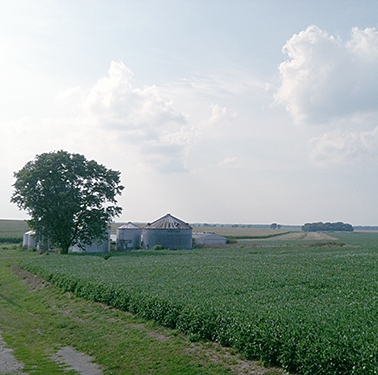
On behalf of a private U.S. agricultural technology provider, WPI’s team generated an econometric model to forecast the movement of concentrated corn production north and west from the traditional U.S. Corn Belt. WPI’s model has subsequently provided quantitative support to a multi-million-dollar investment into short-season corn variety development. WPI’s methodology included a series of interviews with regional grain elevators and seed consultants. Emphasizing outreach and communication with stakeholders who possess intimate sectoral knowledge – on-the-ground insights – is a regular component of WPI’s methodologies, made possible by WPI’s ever-growing network of industry contacts.