
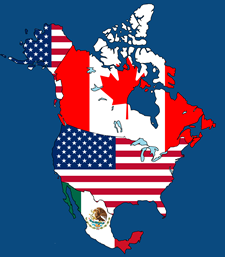
The Biden Administration halted new trade agreements until it said it could make Americans more competitive with policies like Build Back Better. However, those policies could take many years and the trade deficit continues to grow. It is no doubt helped along by the strong dollar, which makes imports cheaper and exports less competitive. However, it also does not help when trading partners like Mexico impose barriers to agricultural imports from the U.S. American corn exports are a significant 17 percent of the value of U.S. agricultural exports to Mexico. They are already down 15 percent in the first quarter of this fiscal year. Mexico’s overall trade surplus with the U.S. has been growing at double digits each year, an...



 What You Need to Know Today: Commodities were mostly lower across the board today after yesterday’s Federal Reserve meeting hinted at a potential interest rate hike later in 2026. The dollar index reached its highest level in over a year, and a strong dollar makes U.S. agricultural expor...
 Tomorrow is the Juneteenth federal holiday, and the USDA, along with the rest of the federal government and the CME, will be closed, so the monthly Cattle on Feed report was released a day early. The total number of cattle on feed in feedlots with 1,000 head or more capacity on 1 June amounted...

From WPI Consulting
Infrastructure investment due diligence
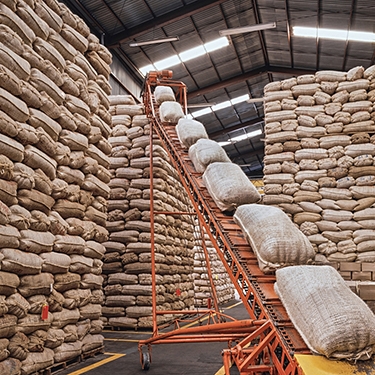
On behalf of a Canadian oilseed processer WPI's team provided market analysis, econometric modeling and financial due diligence in support of a $24 million-dollar investment in a Ukrainian crush plant. Consistent with WPI's findings, local production to supply the plant and the facility's output have expanded exponentially since the investment. WPI has conducted parallel work on behalf of U.S., South American and European clients, both private and public, in the agri-food space.