
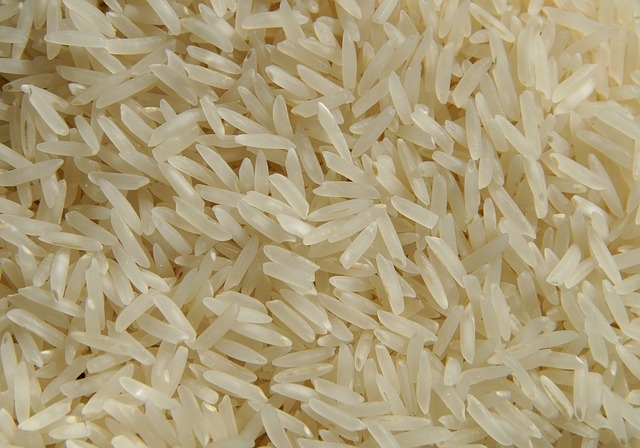
India is the world’s largest exporter of rice and Refinitiv points out that India’s export rice prices have been consistently lower than that of Thailand and Vietnam for the past two years. India is exporting roughly twice the amount of rice as Thailand and Vietnam combined. India has a competitive edge since its domestic rice reference price is 15 and 20 percent lower than the producer prices in Thailand and Vietnam, respectively. India has also maintained a higher stocks to use ratio than these competing suppliers, thus justifying its lower pricing. Moreover, higher prices due to global food security concerns coupled with a predicted normal monsoon means that India’s farmers will once again produce a large, export...



 USDA and sugar have been married since 1934. With such an old marriage, there are all manner of promises, obligations and compromises. There are disagreements and arguments, and occasional calls for divorce, but they lack real conviction. We outsiders find it all so difficult to understand. The...


From WPI Consulting
Communicating importance of value-added products
Facing increasing pressure to quantify the value of export promotion efforts to investors, a U.S. industry organization retained WPI to develop a quantitative model that better communicated the importance of exports. The resulting model concluded that value-added meat exports contributed $0.45 cents per bushel to the price of corn, increasing support for that sector’s financial support of WPI’s client. In addition to serving the red meat industry with this type of analysis, WPI has generated similar deliverables for the U.S. soybean and poultry/egg industries.