
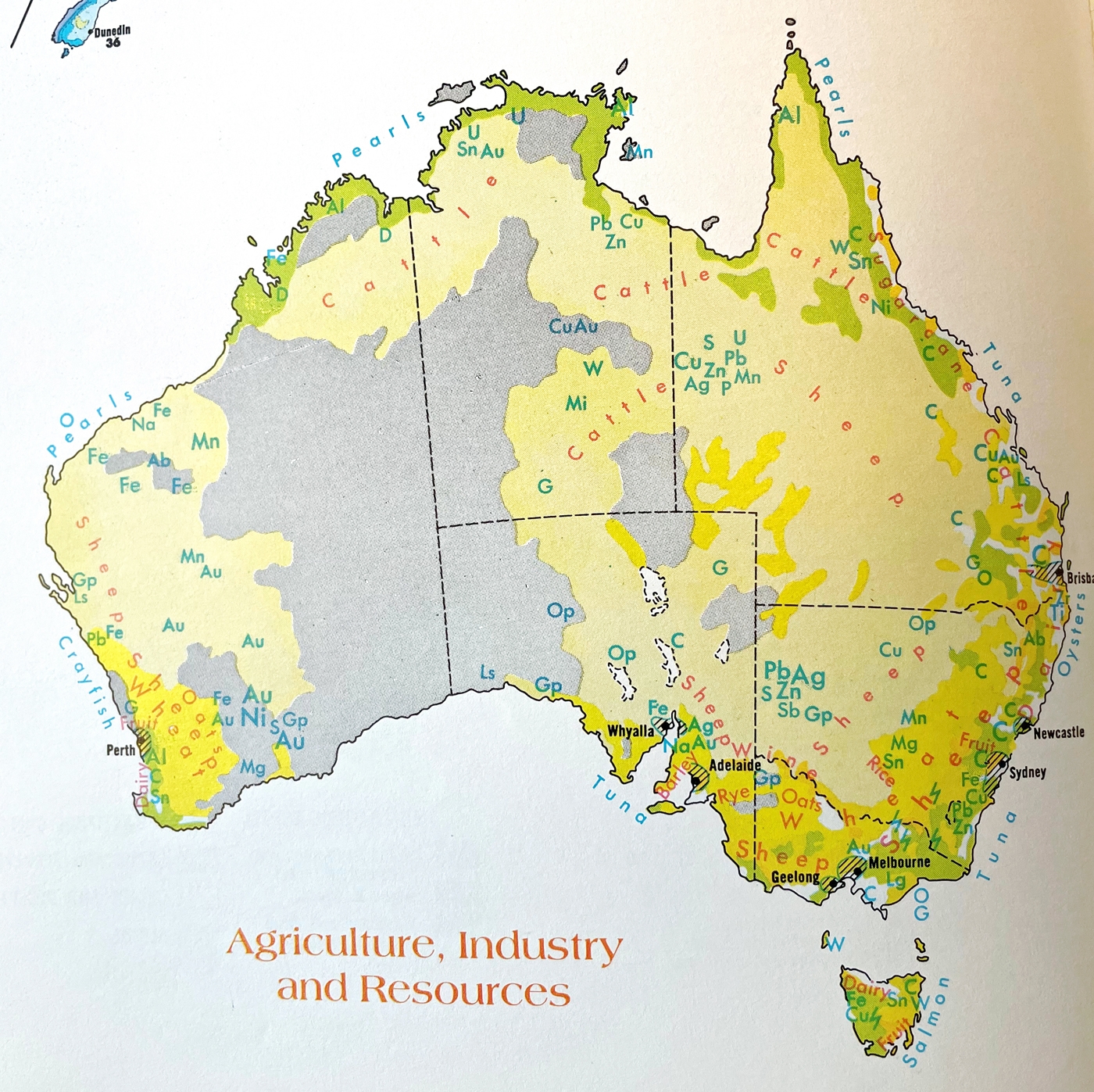
Major wheat exporters have a tremendous opportunity if they can take their advantage. India was thought to be in the catbird seat. Production was going to be up 1.6 percent but the exportabe surplus would be up 200 percent, until it wasn’t. Dry heat shrunk the crop and now there are export restrictions. Australia for once escaped its frequent drought conditions and produced a respectable crop. Exports will be up from 11.7 percent of world share last year to 13.7 percent this year, but under its potential. The Aussies blame a lack of truck drivers, clogged ports, and limited rail capacity, the latter bid up by steadier coal and iron ore export supplies. Worse for Australia’s future potential, fertilizer is imported and exp...



 Russian Grain Markets: 12–16 October 2026 During the week in review, the Russian grain market began recovering after an extended decline driven largely by Black Sea logistics bottlenecks, a good crop and weaker global demand in traditional Russian markets. Russia is beginning to harvest c...
 What You Need to Know Today: Corn and soybeans were under heavy selling pressure as weaker (or at least as-expected) export demand runs into an accelerating harvest pace with more grain available in the spot market. Corn and soybean harvest progress remains below average across the U.S., espec...
 Mediterranean/Middle East/North Africa/Africa – MEA Region Pakistan’s smaller wheat farmers have been holding protests to complain about the lack of a support price for wheat and the potential expansion of GMO crop production. They also want the reinstatement of PASSCO, the governme...

From WPI Consulting
Accountability and a comprehensive approach to export programming

WPI’s team helped construct a strategic approach to develop, implement, and track promotional activities in 8 key regions across the globe for an agricultural export association. With continued progress measurement and strategic advisory services from WPI, the association has seen its ROI from investments in promotional programming increase by 44 percent over the past 5 years. Not only does this type of holistic approach to organizational strategy provide measurable results to track and analyze, it fosters top-down and bottom-up organizational accountability.