

Like many other countries that import soybeans, South Korea is hoping to become more self-sufficient in this oilseed. However, hope runs straight into the limits of geography. Right now the country produces about 9 percent of the 1.44 MMT of soybeans it consumes. Its agricultural area of 1.698 Mha cannot be expanded and nearly half of it is currently used to produce another very important staple in the diet, rice. South Korea could increase soybean yields, which are about half the U.S. level. But the government cannot hit its target for self-sufficiency in soybeans unless something else does not get planted. ...



 What You Need to Know Today: The G7 agreed to release 100 million barrels of crude oil and fuel reserves over four months, with a substantial diesel release front-loaded into the first 20 days. The announcement initially pushed crude oil lower on Friday, although it later recovered a portion o...
 WPI Grain Prices and Freight Rate App Note: you can also visit the app directly by clicking here. Supplemental Information The section below offers a concise view of the options available in the current version of the WPI FOB Price and Freight Rate app, along with a short “How To”...

From WPI Consulting
Forecasting developments in production agriculture
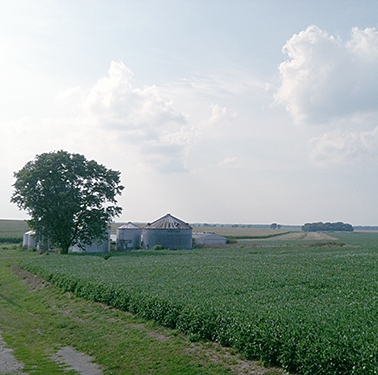
On behalf of a private U.S. agricultural technology provider, WPI’s team generated an econometric model to forecast the movement of concentrated corn production north and west from the traditional U.S. Corn Belt. WPI’s model has subsequently provided quantitative support to a multi-million-dollar investment into short-season corn variety development. WPI’s methodology included a series of interviews with regional grain elevators and seed consultants. Emphasizing outreach and communication with stakeholders who possess intimate sectoral knowledge – on-the-ground insights – is a regular component of WPI’s methodologies, made possible by WPI’s ever-growing network of industry contacts.