World Perspectives

Drop in Food Borne Illnesses

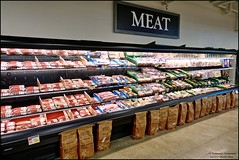
At least anecdotally, some food industry lawyers report a drop-off in food borne illness litigation cases this year. Official data is reported by the Centers for Disease Control annually, but litigants are a proxy for industry developments. Part of the reason could be the switch in consumption to homes instead of restaurants and bars (see graph below).  Historically, most cases occur in the home or in local food establishments. Those occurring in homes are more difficult to track since reporting is less concise. Some warn that the coronavirus has become a statistical catch-all for many unrelated illnesses, which means a food borne pathogen may have been confused for the coronavirus. It may also be the case that plaintiffs’ attor...

Related Articles
livestock

Livestock Industry Margins

Beef packer margins reversed sharply lower last week, swinging back into negative territory after six straight weeks of positive returns. Margins fell $145/head to –$75 as fed cattle prices rebounded $7/cwt (live basis), while the Choice cutout slipped nearly $7/cwt. The rapid compression...

FOB Prices and Freight Rates App (Updated 17 December)

WPI Grain Prices and Freight Rate App Note: you can also visit the app directly by clicking here. Supplemental Information The section below offers a concise view of the options available in the current version of the WPI FOB Price and Freight Rate app, along with a short “How To”...

feed-grains soy-oilseeds wheat

Market Commentary: Downtrend Dominance; Wheat Hits New Lows; Soy Falls on Crush Numbers

Each year, the Chinese zodiac calendar features one animal to mark and typify the coming 365 days. If that process were applied to CBOT trade, Tuesday would have been the “day of the bear”, with all major grain markets ending in the red. The only specific trigger was the bearish NOP...

livestock

Livestock Industry Margins

Beef packer margins reversed sharply lower last week, swinging back into negative territory after six straight weeks of positive returns. Margins fell $145/head to –$75 as fed cattle prices rebounded $7/cwt (live basis), while the Choice cutout slipped nearly $7/cwt. The rapid compression...

FOB Prices and Freight Rates App (Updated 17 December)

WPI Grain Prices and Freight Rate App Note: you can also visit the app directly by clicking here. Supplemental Information The section below offers a concise view of the options available in the current version of the WPI FOB Price and Freight Rate app, along with a short “How To”...

feed-grains soy-oilseeds wheat

Market Commentary: Downtrend Dominance; Wheat Hits New Lows; Soy Falls on Crush Numbers

Each year, the Chinese zodiac calendar features one animal to mark and typify the coming 365 days. If that process were applied to CBOT trade, Tuesday would have been the “day of the bear”, with all major grain markets ending in the red. The only specific trigger was the bearish NOP...

softs

Bearish Sugar Prices to Continue Despite Production Increases

The U.S. 2025/26 sugar supply is forecast at 14.119 million short tons, raw value (STRV), down 1,800 STRV from November as the decrease in expected imports of refined organic and specialty sugar, which pays the high tier, out of quota duty, more than offsets the increase in beginning stocks and...

Image
From WPI Consulting

Communicating importance of value-added products

Facing increasing pressure to quantify the value of export promotion efforts to investors, a U.S. industry organization retained WPI to develop a quantitative model that better communicated the importance of exports. The resulting model concluded that value-added meat exports contributed $0.45 cents per bushel to the price of corn, increasing support for that sector’s financial support of WPI’s client. In addition to serving the red meat industry with this type of analysis, WPI has generated similar deliverables for the U.S. soybean and poultry/egg industries.

Search World Perspectives

Sign In to World Perspectives

Don’t have an account yet? Sign Up