


The eastern Corn Belt struggled early with cool temperatures and wet conditions that delayed planting progress. May has been drier, though, and parts of the western Corn Belt planted crops quickly. However, those areas have now been impacted by too much rain.The current shift from the super strong El Nino to a La Nina is supposed to result in a hot, dry finish to the growing season across the Corn Belt. The degree of the heat and dryness is dependent on how quickly this change in weather patterns occurs. The faster the change, the greater the potential problem and of course the larger the threat to crop yields.In discussions of weather and long-term weather forecasts, it must be noted that this is all far from certain science. There continu...


 What You Need to Know Today: Chinese purchases of U.S. soybeans continued to accelerate, with USDA reporting another 558 KMT sold to China and 236 KMT to unknown destinations. Combined with sales announced Wednesday and Thursday, the latest purchases bring the three-day total to approximately...

 As fall begins, wild migratory birds are starting their seasonal migration. That has the industry and government officials worried about the potential spread, again, of highly pathogenic avian influenza (HPAI). Some members of Congress have called for the United States to be prepared for a pote...

From WPI Consulting
Infrastructure investment due diligence
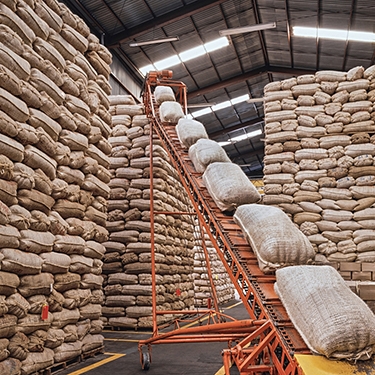
On behalf of a Canadian oilseed processer WPI's team provided market analysis, econometric modeling and financial due diligence in support of a $24 million-dollar investment in a Ukrainian crush plant. Consistent with WPI's findings, local production to supply the plant and the facility's output have expanded exponentially since the investment. WPI has conducted parallel work on behalf of U.S., South American and European clients, both private and public, in the agri-food space.