

While it is agreed that derivative markets need speculators to provide enough trading volume and market liquidity so that those with certain vested interests can discover price values and hedge price risk, excessive speculation is widely condemned. However, what constitutes excess is hardly ever defined.Like the aftermath from the consumption of too much cheap vodka, U.S financial and commodity markets are still suffering a hangover from the 2008/09 financial crisis and the ensuing recession. They were force-fed a big handful of aspirin in the form of 2010’s Dodd-Frank financial reform legislation, but the aftereffect still persists. With the 2016 presidential campaign already well underway even though the actual election is 13 months...



 What You Need to Know Today: Chinese purchases of U.S. soybeans continued to accelerate, with USDA reporting another 558 KMT sold to China and 236 KMT to unknown destinations. Combined with sales announced Wednesday and Thursday, the latest purchases bring the three-day total to approximately...

 Key Takeaways: With the fall calf run now upon us, producers are finally getting a glimpse of what their realized profits will be for 2026. Some producers may have already obtained a strong estimate of 2026 revenues, especially if calves were forward sold in, for example, the mid-summer...
 As fall begins, wild migratory birds are starting their seasonal migration. That has the industry and government officials worried about the potential spread, again, of highly pathogenic avian influenza (HPAI). Some members of Congress have called for the United States to be prepared for a pote...

From WPI Consulting
Forecasting developments in production agriculture
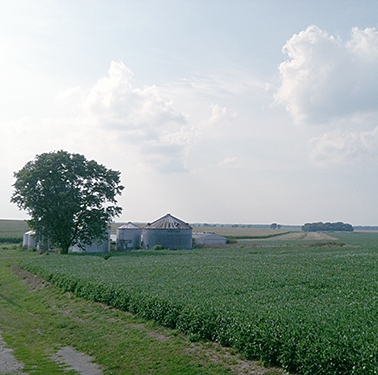
On behalf of a private U.S. agricultural technology provider, WPI’s team generated an econometric model to forecast the movement of concentrated corn production north and west from the traditional U.S. Corn Belt. WPI’s model has subsequently provided quantitative support to a multi-million-dollar investment into short-season corn variety development. WPI’s methodology included a series of interviews with regional grain elevators and seed consultants. Emphasizing outreach and communication with stakeholders who possess intimate sectoral knowledge – on-the-ground insights – is a regular component of WPI’s methodologies, made possible by WPI’s ever-growing network of industry contacts.